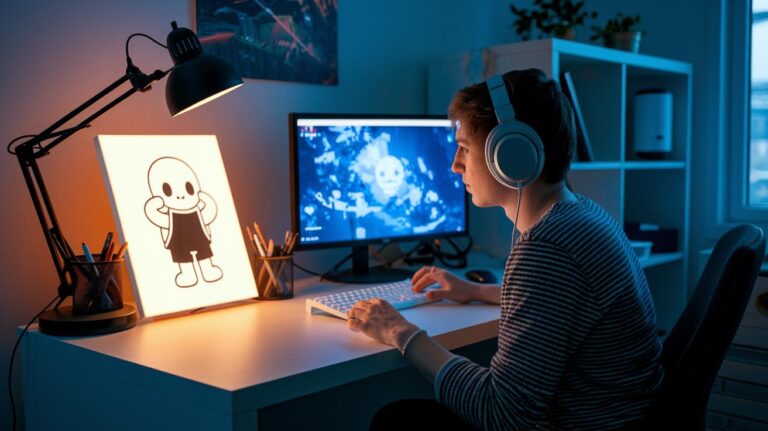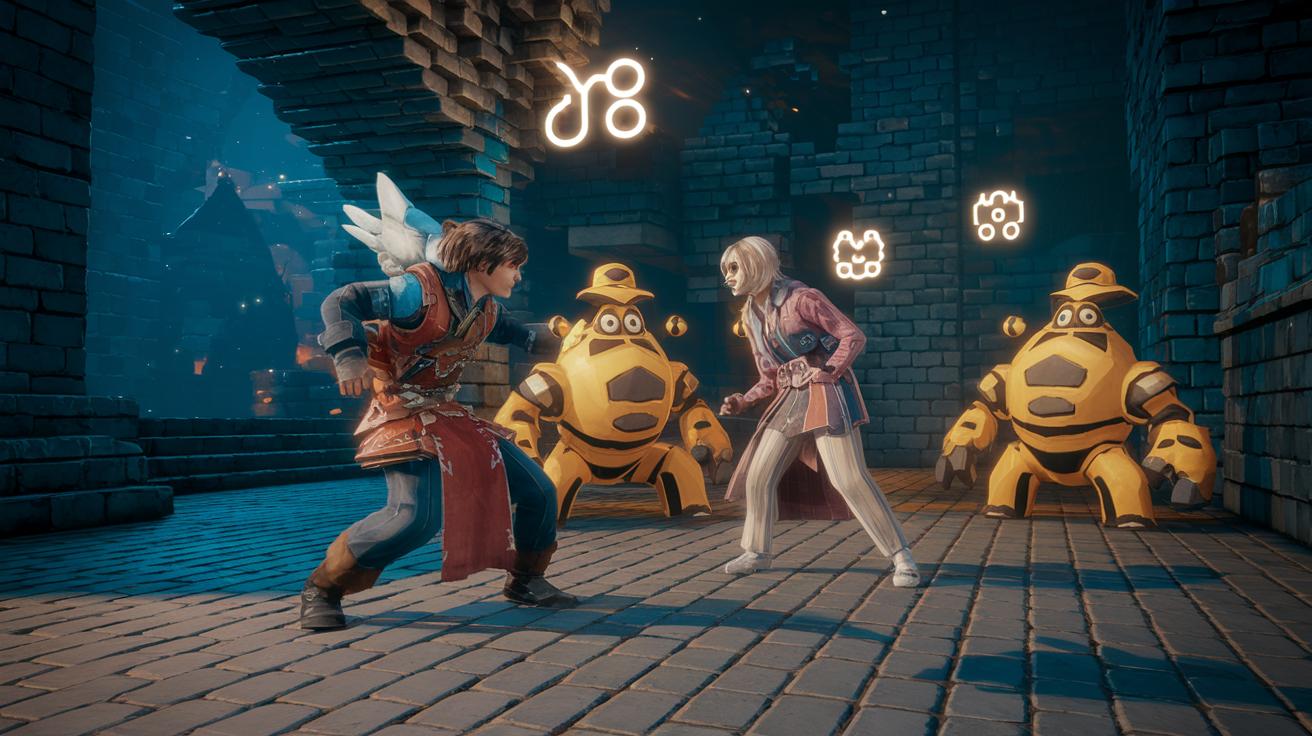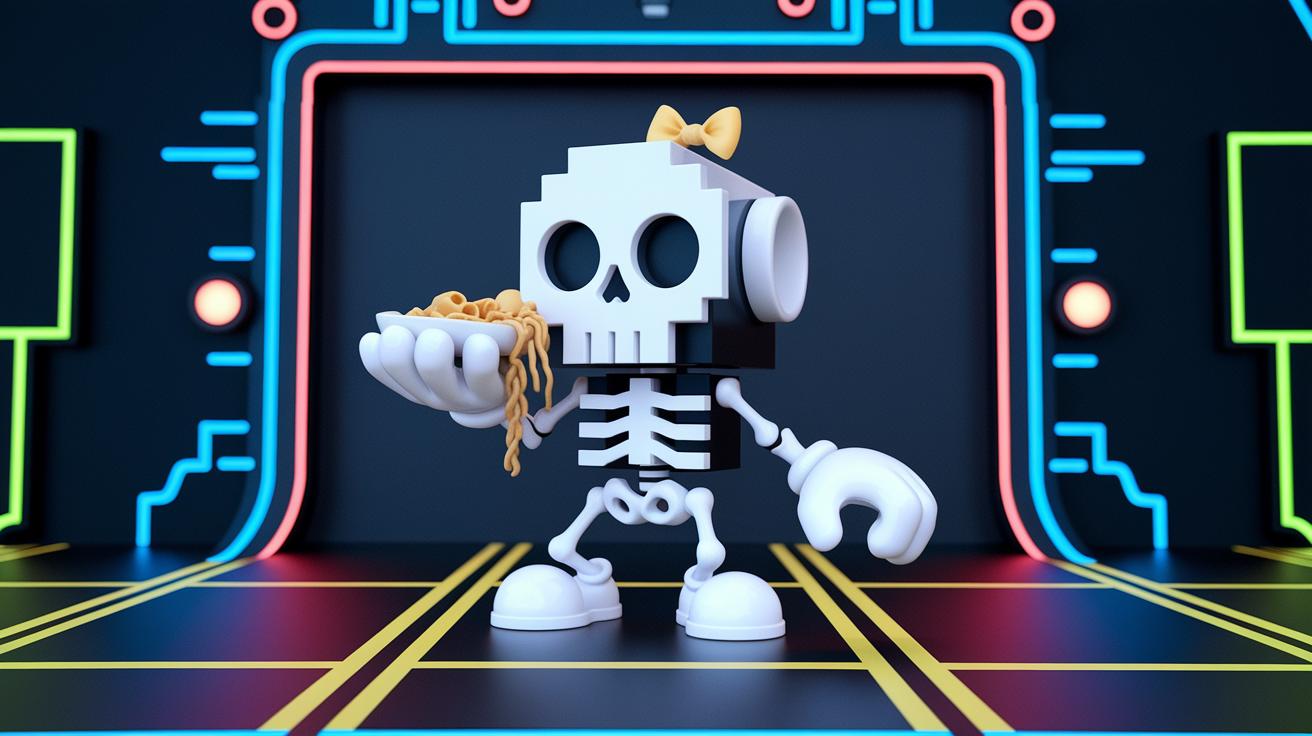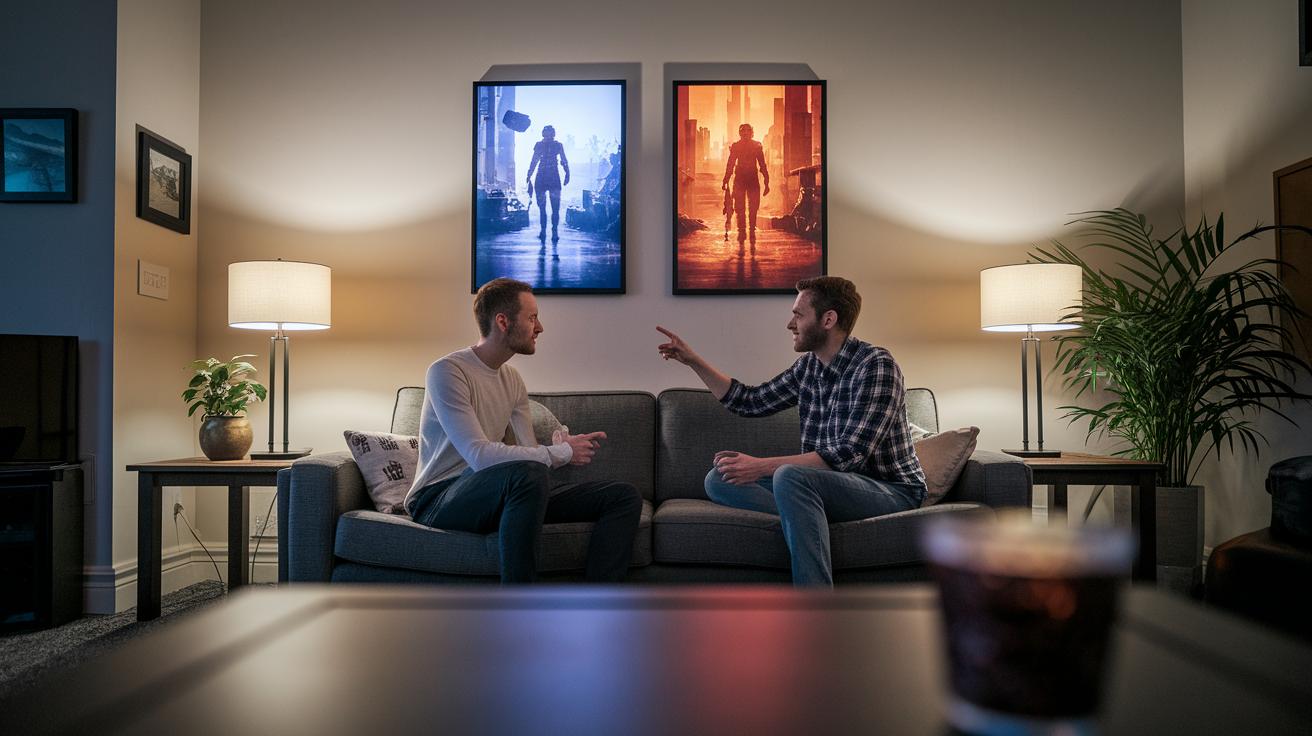
Ever wonder why digital art today stuns us with vivid neon colors and quirky glitch effects? Cyber design takes the old-school charm of classic art and mixes it with cool, high-tech twists. It’s like adding a futuristic splash to a treasured old photo. In this guide, we break down simple techniques, share inspiring examples, and introduce the tools powering this fresh style. Get ready to see how cyber design is transforming visuals and sparking new ideas for every project.
Cyber Design Inspiration, Techniques, and Examples
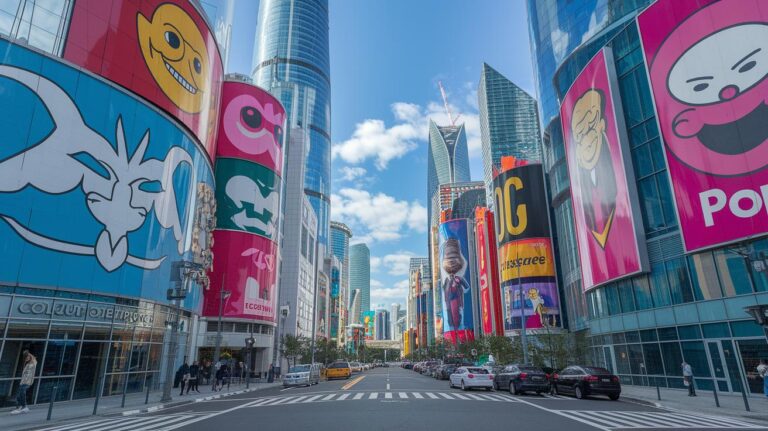
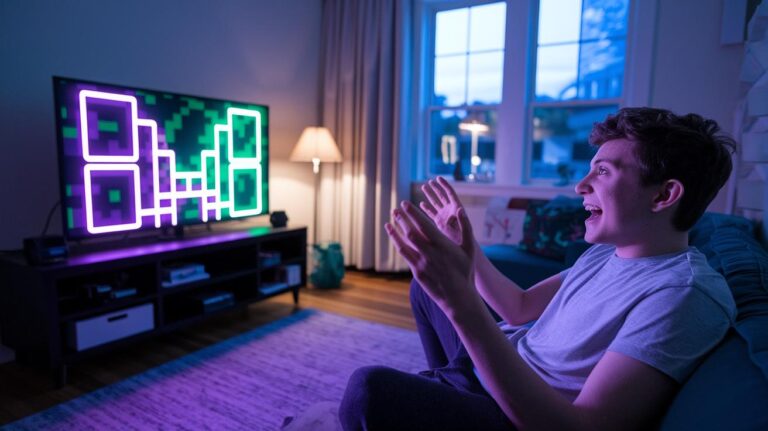
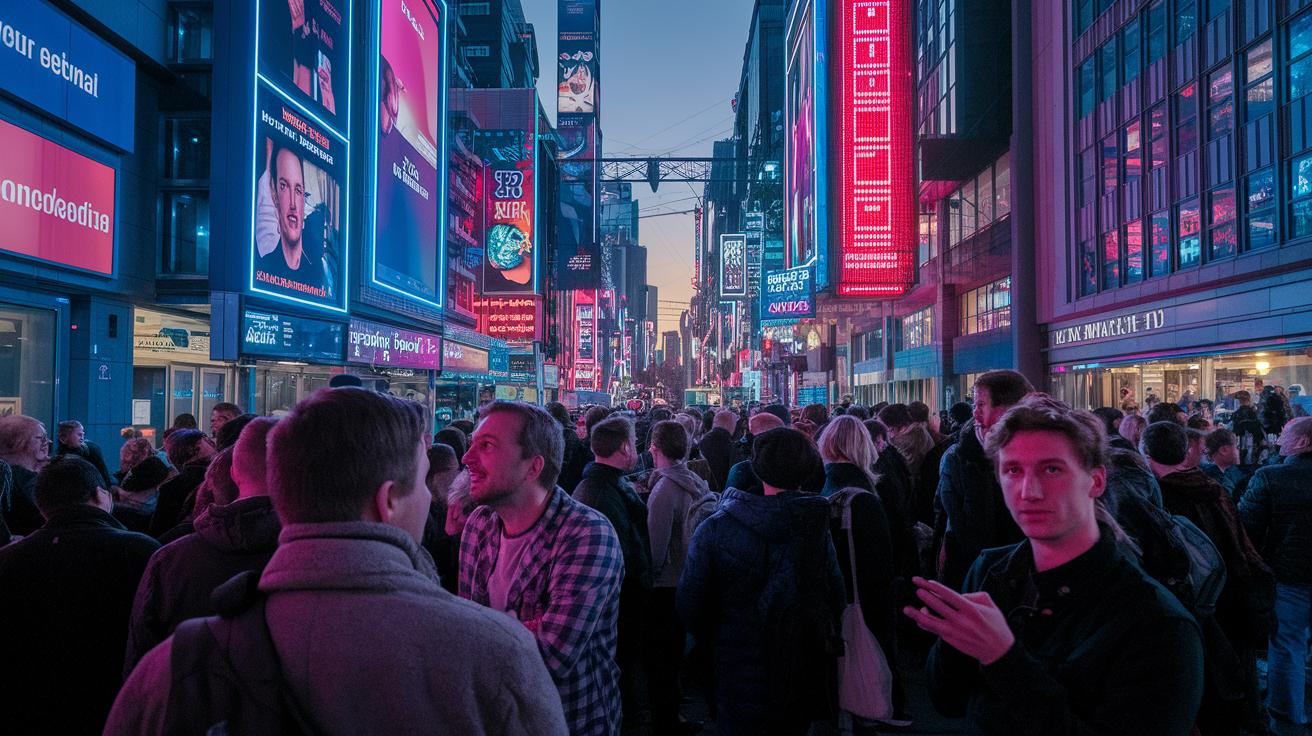
Cyber design fires up creativity by blending classic design ideas with a fresh digital twist. In this section, you step into a world where trusted design methods mix with bold trends like neon visuals and cybercore styles. Picture a gallery of digital art that pulls you in with bright colors and lively energy. Early digital art experiments even stumbled on glitch effects, which have now become an iconic style. These moments challenge you to reimagine layouts, colors, and digital interactivity.
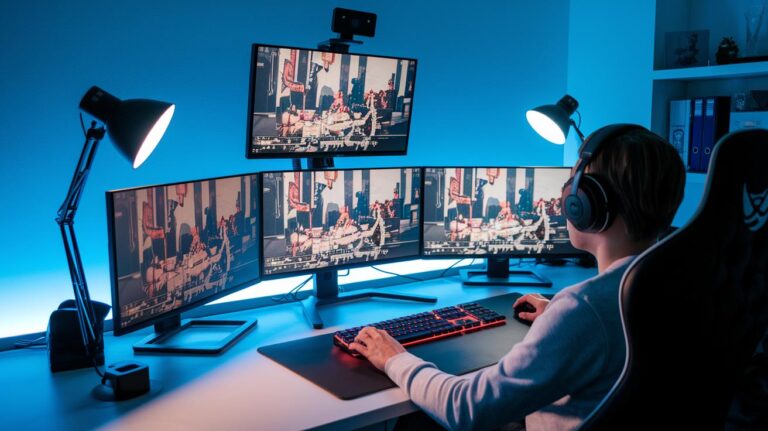
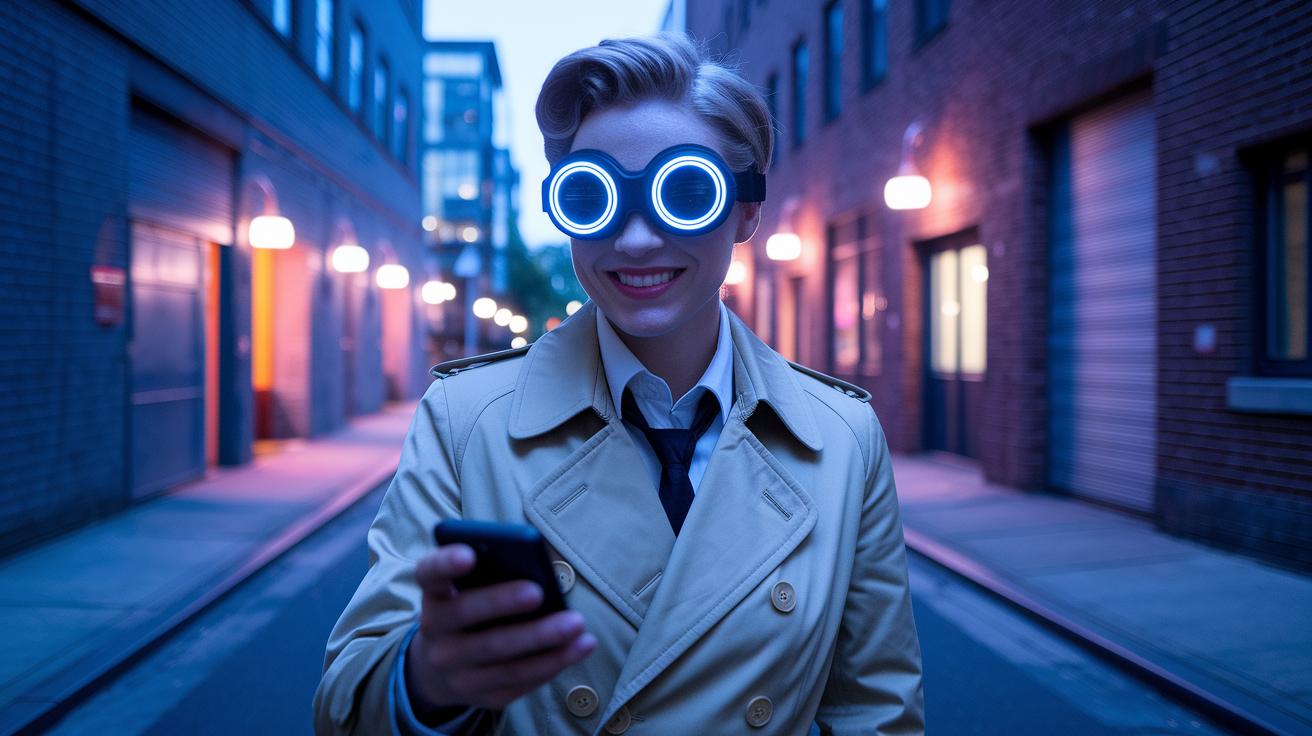
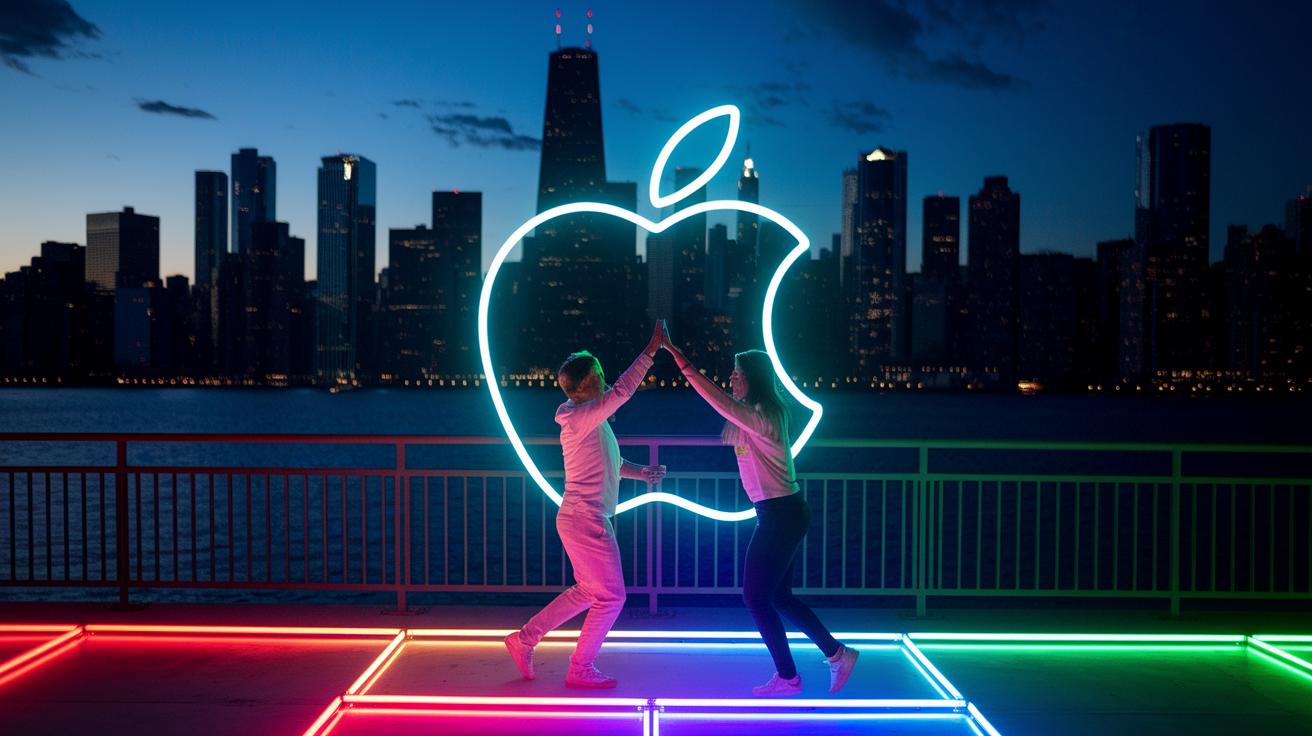
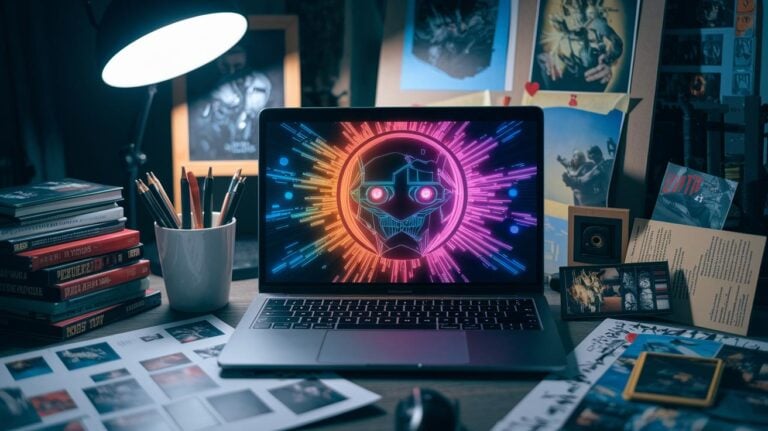
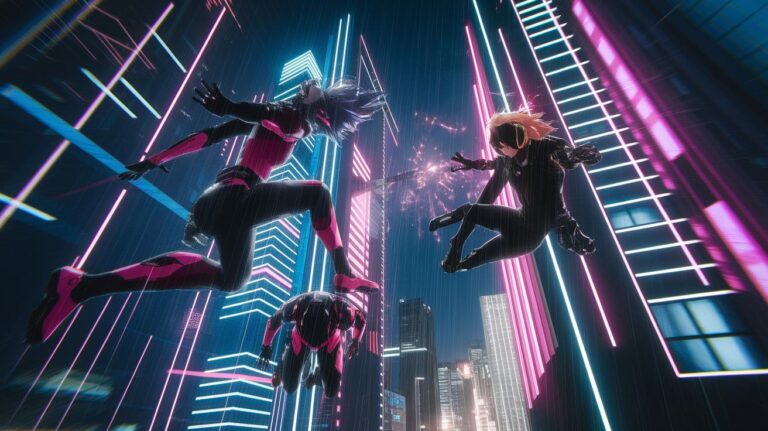
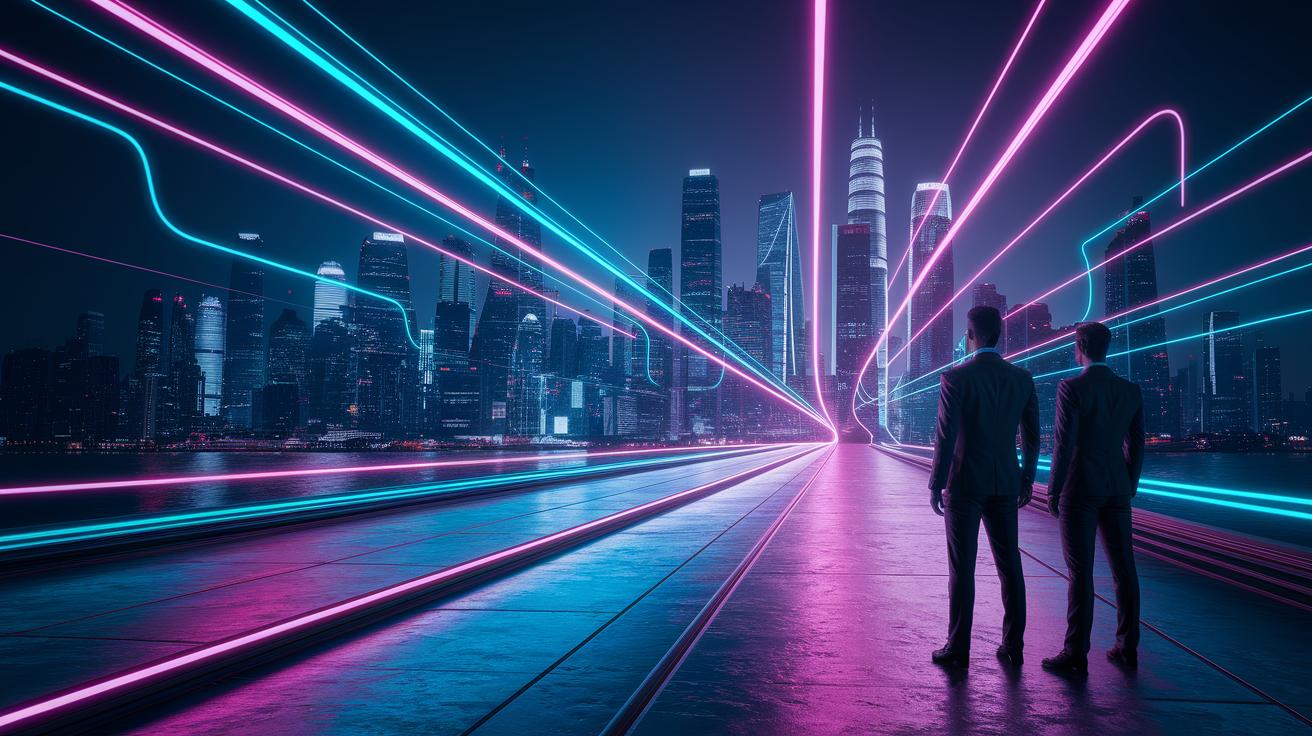
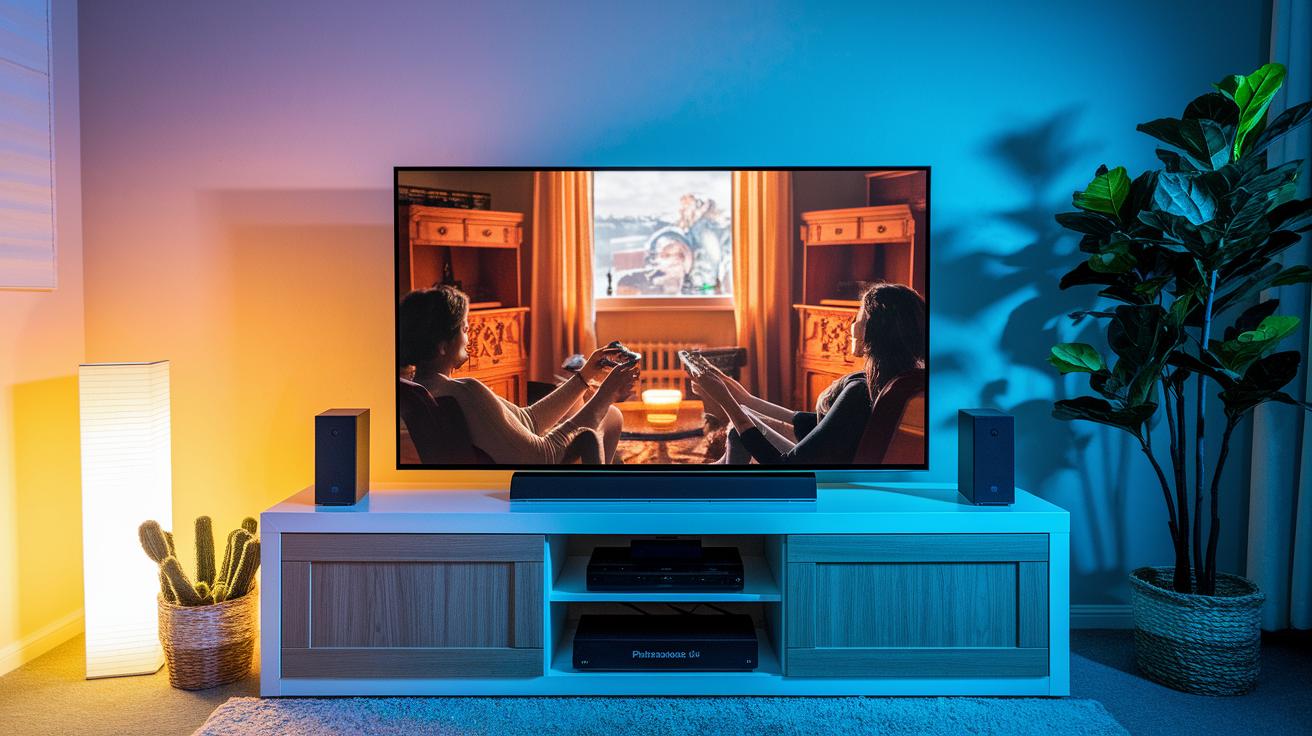
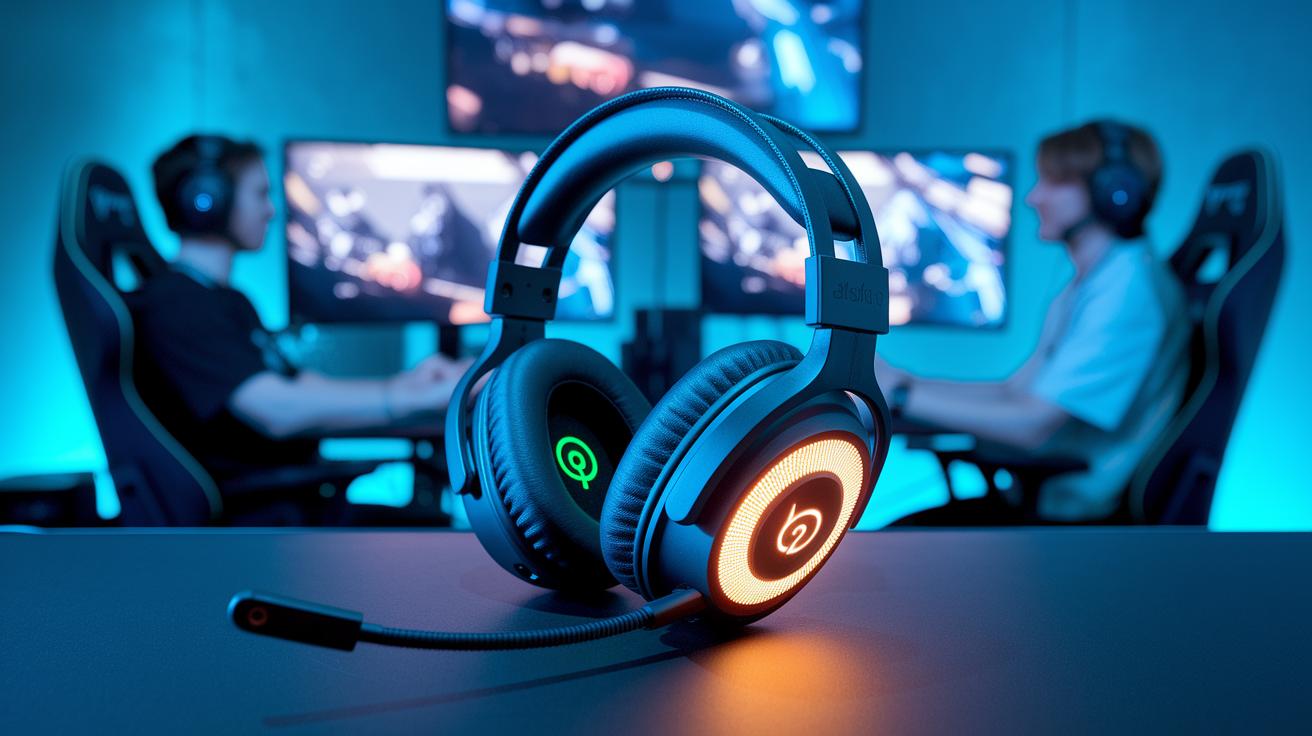
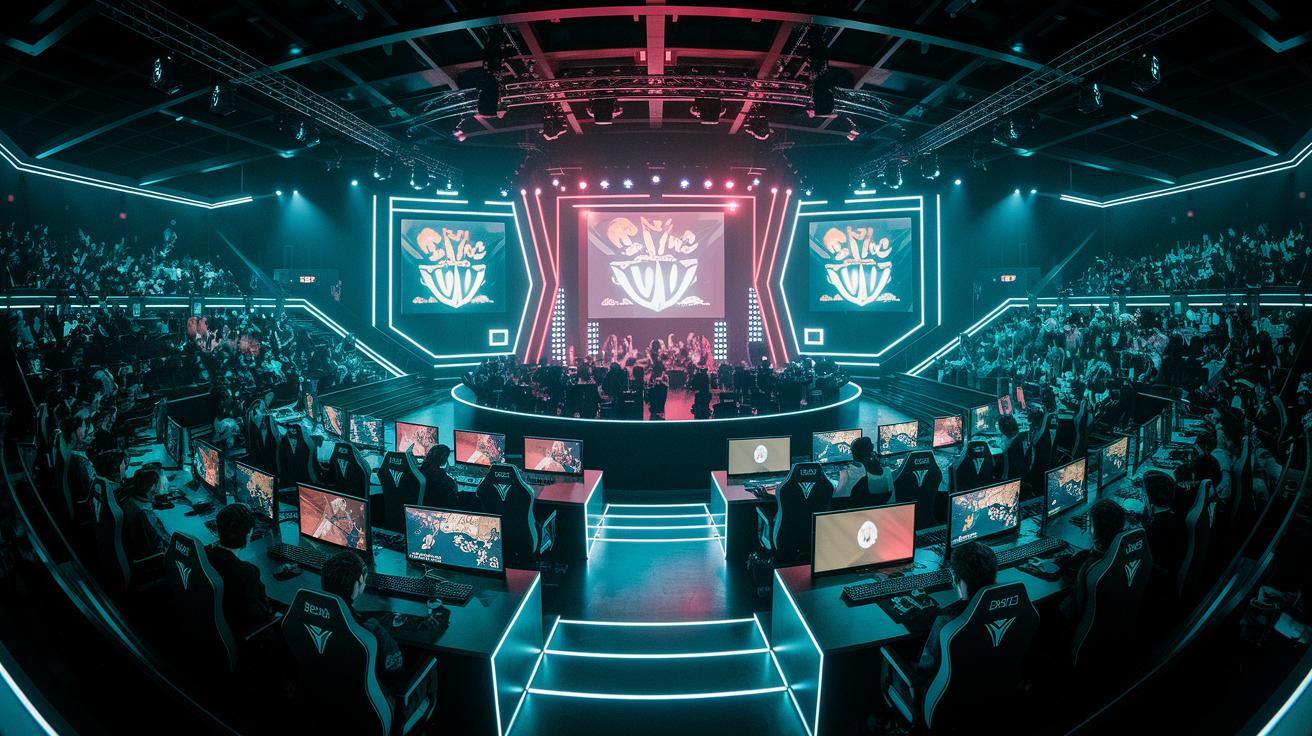
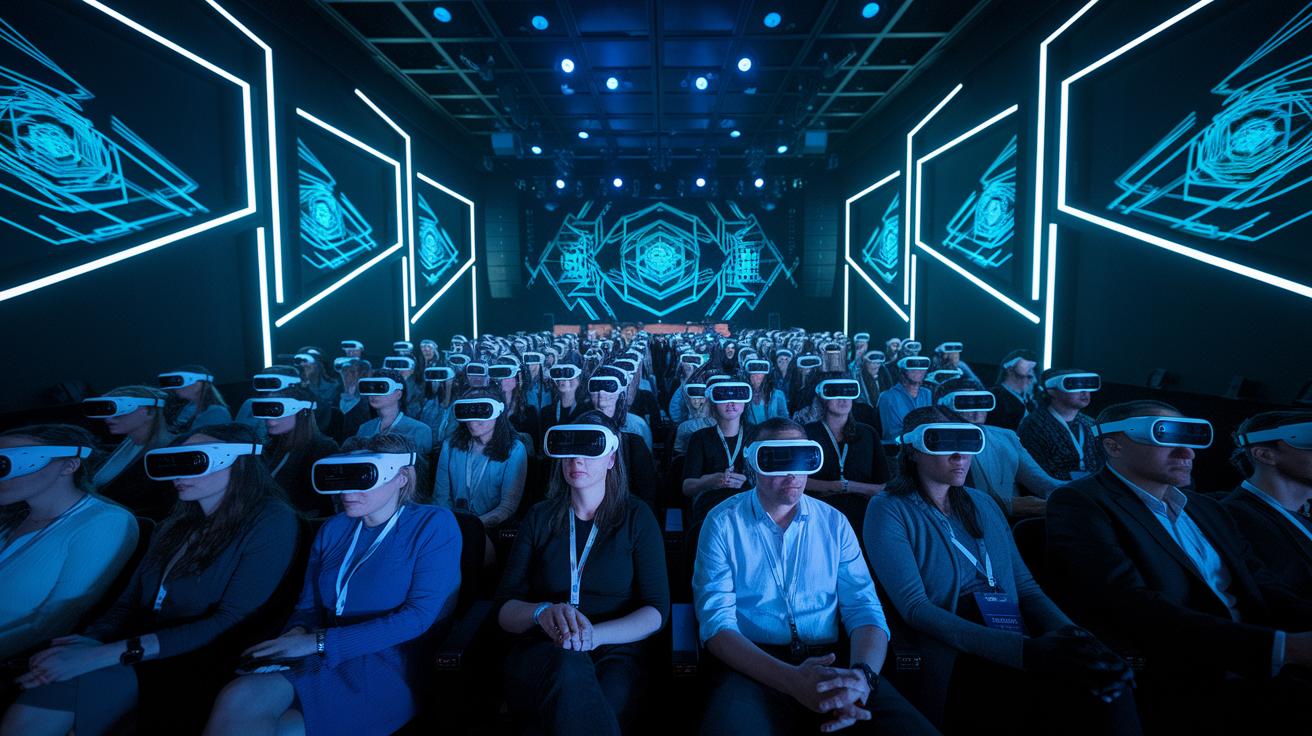
Signature elements shine with vivid neon lights, edgy glitch effects, and clear, geometric patterns that seem to pulse with life. Innovators in digital art and forward-thinking brands use these styles to tell a story of daring, futuristic design. Think of a design where glowing neon accents break up dark backgrounds while erratic glitches add a pulse of movement. Imagine a blueprint-like design, rendered in electric hues, where art and tech mix in a playful, cutting-edge way.
These impressive examples set the stage for easy tutorials and smart software tips. They offer a visual toolbox to turn everyday projects into immersive experiences. Not only do these techniques catch the eye, but they also help polish user interfaces and strengthen brand images. For instance, a well-done glitch overlay can evolve into a signature style, making complex ideas clear and engaging for any digital project.
Cyber Design Tools and Software Essentials
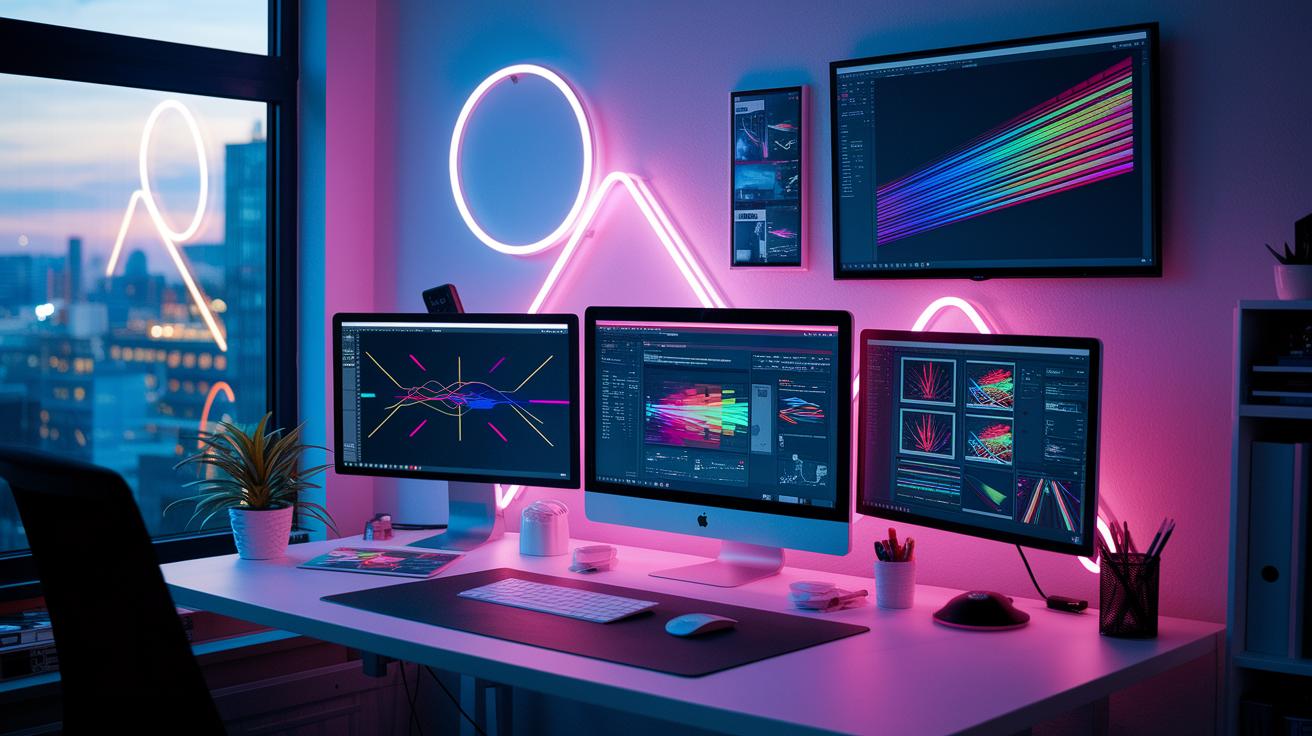
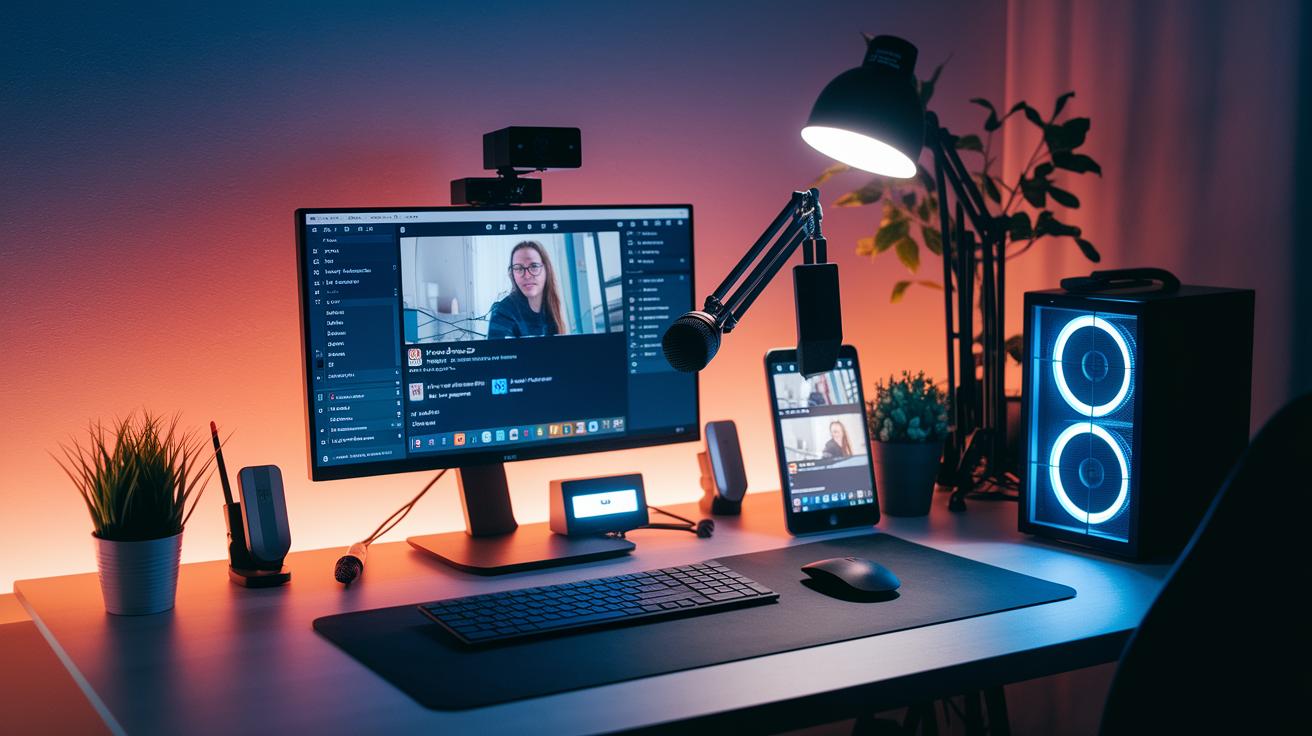
Cyber design works best when you mix different creative tools. Whether you’re making clean circuit-like graphics or cool glitch textures, there’s an app that fits your need. For example, you might use a vector program for neat lines or a raster tool to add funky layers to your designs. Designers also lean on 3D apps for glowing, neon looks and use prototyping software to see interactive ideas in action. In short, these tools let you play with neon lights, glitch effects, and smart interfaces. They even work with new tech like creative ai platforms and digital transformation tools.
- Photoshop – great for layering glitches and making advanced edits
- Illustrator – ideal for drawing crisp vector circuits
- Blender – perfect for neon 3D models and extrusions
- Figma – awesome for interactive UI designs and team work
- After Effects – for building rich glitch animations
- Sketch – for smooth UI layouts and digital design
| Tool | Key Features | Pricing | Platform |
|---|---|---|---|
| Photoshop | Layered masks, glitch effects | Subscription | Windows / Mac |
| Illustrator | Vector circuits, clear drawing tools | Subscription | Windows / Mac |
| Blender | 3D modeling, neon effects | Free | Windows / Mac / Linux |
| Figma | Interactive prototypes, real-time collab | Freemium | Browser-based |
It’s smart to check out trial versions before you buy. Many of these tools offer free trials and have active communities. These groups share tips and design guides that can spark fresh ideas for your next futuristic project. So feel free to experiment , mix tech with art to create designs that truly stand out.
Cyber Design Case Studies and Showcase
Case studies are like a backstage pass into the creative process. They show us how daring ideas become real and inspire us to rethink digital art and branding.
One project took a tech-forward twist by partnering with an AI tool to reinvent a client’s visual identity. The team worked with a creative AI to build graphics that change with user data. The result? A smart design that boosted engagement with its futuristic vibe.
Another case study spotlights an interactive web campaign built to rebrand a well-known firm. Designers employed immersive media and clever visual tricks like live glitch overlays and smooth transitions. This fun, seamless approach drew more visitors and kept them hooked.
The final project was a complete brand makeover using virtual branding techniques. The crew refreshed logos, fonts, and images to give the brand a modern, forward-looking look. By blending immersive media with detailed digital art, they captured the client’s innovative spirit in a memorable way.
In short, these case studies prove that with careful planning, the right tools, and creative flair, visions turn into striking designs. They offer a clear look at creative workflows and serve as inspiration for future projects.
Cyber Design Tutorials: Step-by-Step Digital Techniques
Ready to mix digital art with a fun glitch vibe? This guide walks you through making a neon glitch logo and building a cool, interactive web layout. You'll explore how to blend layers, use special brushes, and design layouts that react when you click or hover. In short, you'll create art that's as stylish as it is clickable.
Creating a Neon Glitch Logo
Start by setting up your artboard with the perfect size for logos. Pick a futuristic mix of neon colors to set a bright, electric tone. Next, use overlay filters and simple layer blending options to add a hint of glitch. Play around with procedural brushes to create cool distortions that feel like digital static. Once you're happy, export your design as an animated graphic to capture that lively, moving effect.
Building Responsive Cyber Interface Elements
First, set up a grid system to form a solid base for your layout. Then, add hover states that light up each clickable bit and make your design feel modern. Use CSS custom properties to easily change colors or sizes later on. In Figma, test your design in real time to see how it reacts; check out what interactive design is all about here: what is interactive design. Layer in extra interactive features with masks and simple code tweaks. Finally, export a few code snippets to test your interface functions round after round.
Mix and match these ideas to create designs that are fun yet functional. Every little tweak gets you closer to a future-ready digital look that captures both style and ease.
Cyber Design Spatial and Interior Trends
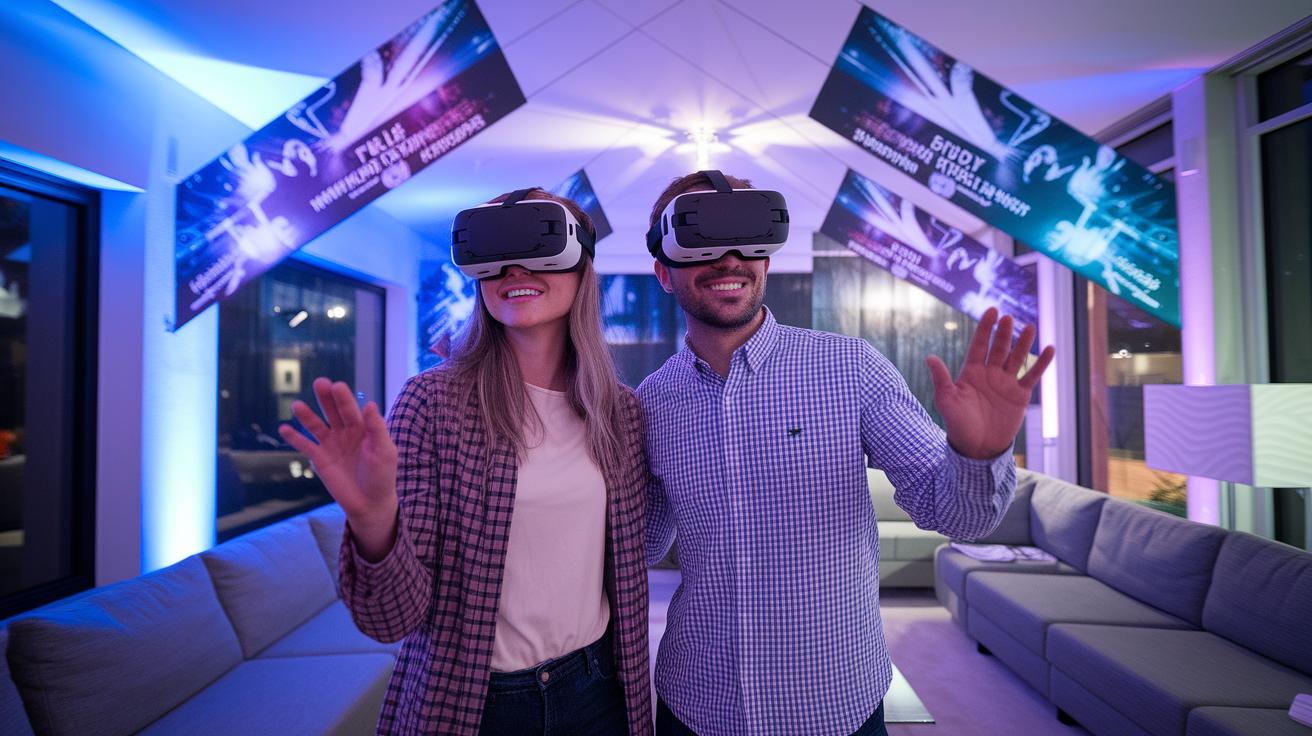
Digital designs are merging into our living spaces. Today, designers mix neon signs and projection mapping with classic decor to craft areas that feel both futuristic and cozy. Picture a reading nook with a vibrant digital backdrop that enhances soft, warm seating or a lobby where delicate LED patterns mimic a circuit board. It's a fun twist that challenges the usual style and opens up fresh design ideas.
Tech cafés and virtual lounges are leading the way. In some trendy tech cafés, comfort meets innovation with modular seating highlighted by color-changing LED accents. Virtual lounges set a lively tone with digital backdrops that shift into bold geometric patterns and gentle neon glows. Even walls become interactive canvases, turning each visit into an immersive journey.
Digital art is now guiding the choice of lighting, materials, and layouts. Adaptive LEDs and projection mapping light up rooms in tune with natural changes. Designers pick materials for both their comfort and their ability to play off digital patterns, letting surfaces shimmer softly. All these creative touches build a new blueprint that perfectly fits a cyber-inspired era.
Cyber Design Retro and Y2K Aesthetics
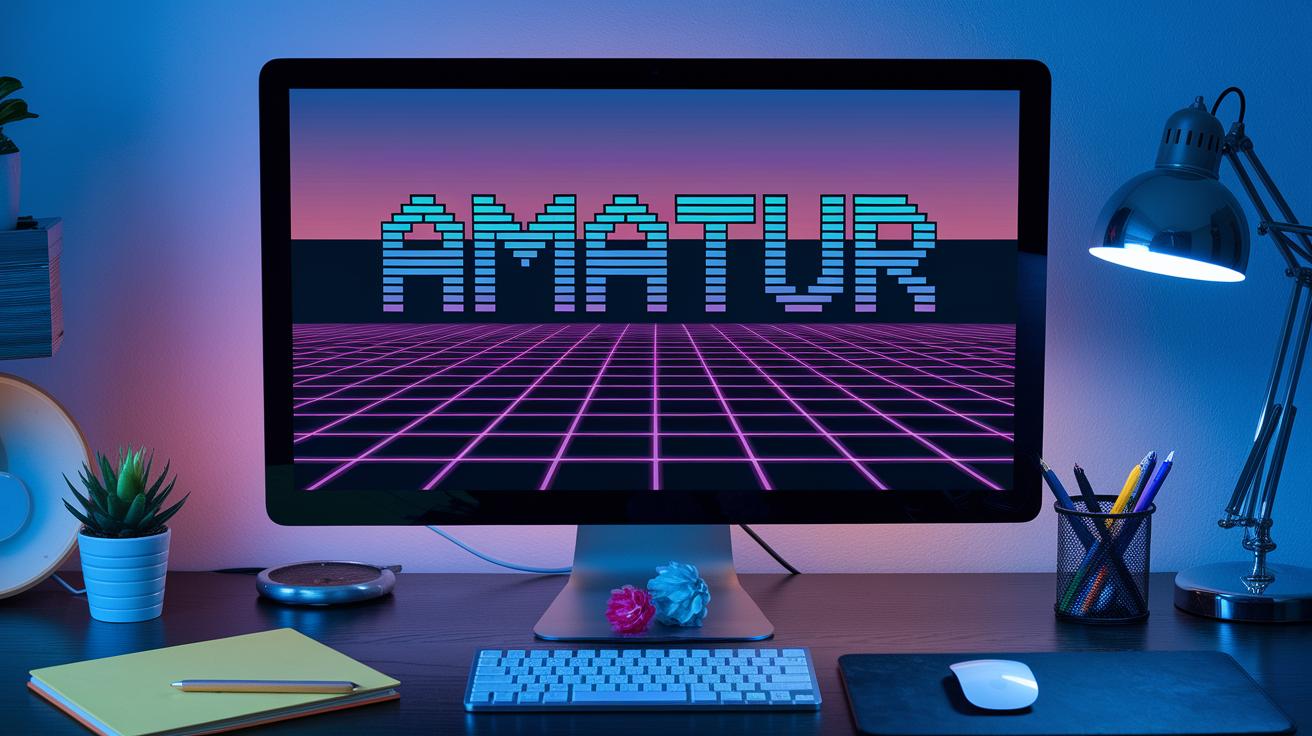
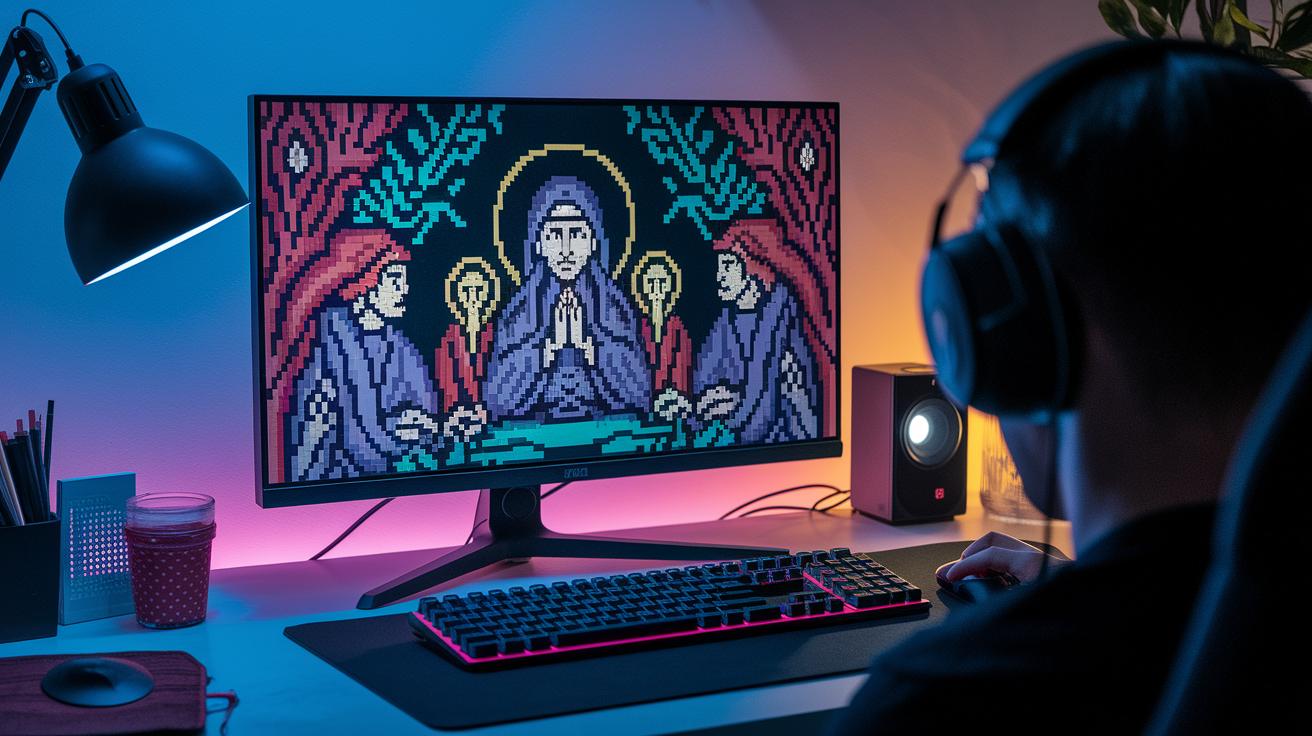
The Y2K look comes with a playful yet tech-smart vibe that grabs your attention. Think of pixelated gradients that resemble early digital screens and shiny chrome text that sparkles like it's reflecting a futuristic mirror. It’s a nod to the early digital era, mixing bold colors with crisp graphics to make every design pop. Imagine an old-school computer screen given a modern twist.
Retro-futurism steps it up by blending the charm of yesterday with today’s trends. Picture wireframe and neon grids that create an exciting sense of organized chaos. Classic tech images mix with current design, producing a look that feels both relaxed and full of energy. Designers combine vintage shapes with lively electric hues to capture a timeless yet forward-thinking style.
Many modern projects now mix these elements to create striking contrasts and textures. Industrial retro wallpapers, rust-colored shades, and textured backgrounds work together with pixel art and neon details. This blend lets digital designs honor their roots while carving a creative path that appeals to both vintage fans and today’s audiences.
Cyber Design in Body Art and Tattoos
Tech-inspired tattoos are back and bolder than ever. They mix digital looks with personal style. Tattoo artists now draw on tech designs, think digital circuits and glowing data streams, that bring new energy to body art.
Skin is turning into a display of modern tech. Popular designs include circuit lines that mimic a computer's motherboard, QR codes turned into personal symbols, binary sequences representing digital data, pixel art that nods to the early days of computing, and barcodes that comment on consumer culture. Each design tells a story of our digital lives.
Tattoo artists are even pushing creative limits. Some use inks that change color under different lights, and others use UV-reactive pigments that glow when the sun goes down. These tricks turn a tattoo from a still picture into a piece that changes with its surroundings. Light and color work together to add depth and mystery.
In today's fast-changing digital world, tattoos say more than just "art." They capture the vibe of our tech-filled era and connect us with our inner digital narratives. Wearable art has never looked so futuristic.
Cyber Design Security and Interface Principles

Interface design and security need to work together. Today, designers mix great looks with strong protection so systems feel safe and look fresh. Combining style and solid security builds trust and keeps data safe without losing visual charm.
Taking a close look at design issues can show hidden weak spots. This means checking every detail to find the real problem instead of just the surface signs. Fixing issues at their root helps teams build stronger, more dependable interfaces.
With Zero Trust strategies, designers treat every entry point and user action as risky until confirmed safe. Every element gets checked before it’s trusted. This leads to smart layouts where clear access rules ensure users only see what they need, making the interface both secure and easy to use.
Balancing a friendly interface with strong security is key. The design should draw people in with smooth, modern visuals while also shielding sensitive data with solid defenses. By weighing costs and benefits, creative teams make systems that are as welcoming as they are safe.
Final Words
In the action, we've seen how cyber design sparks fresh ideas through neon glows, glitch textures, and iconic tech motifs. We explored practical tools, real project showcases, and even design tips that blend digital art with everyday style.
This deep dive gave us a hands-on look at design techniques that make trends feel personal and inventive. The vibrant spirit of cyber design is ready to fuel the next creative push.