Ever wondered why some eras change the world overnight? When art, science, and ideas blend in fresh ways, they create a mood that captures the feel of a whole time. Think of the lively energy of the Roaring Twenties or how the Digital Age sparks new ideas every day.
This story shows clear examples of how cultural moments shape our lives. By looking at these periods closely, we uncover the heartbeat of history. It turns a big idea into something real and exciting.
Zeitgeist examples: Captivating Cultural Moments
Zeitgeist is a word that shows the mood or spirit of a time. It comes from German ideas and explains how we all feel and think during a certain period. Unlike similar terms like Volksgeist (people's spirit) or Weltgeist (world spirit), it focuses on the social and cultural vibes we experience at a particular moment.
Scholars use this idea to track how history and beliefs push society to change. In everyday life, you can see it in art, technology, and our daily routines, all mixing together to create the unique energy of an era.
- Industrial Revolution
- Renaissance
- Roaring Twenties
- Digital Age
- Age of Enlightenment
- Jazz Age
- Information Age
Each of these periods shows a time when shared ideas and new innovations took off. The Industrial Revolution changed our work and production, while the Renaissance sparked a flood of art and science that remade Europe. The lively Roaring Twenties and the fast-moving Digital and Information Ages remind us of how tech and culture can reshape our world. These moments prove that zeitgeist is more than just a trend, it’s the heartbeat of an era, felt in art, breakthrough ideas, and everyday life.
Comparative analysis of historical zeitgeist manifestations
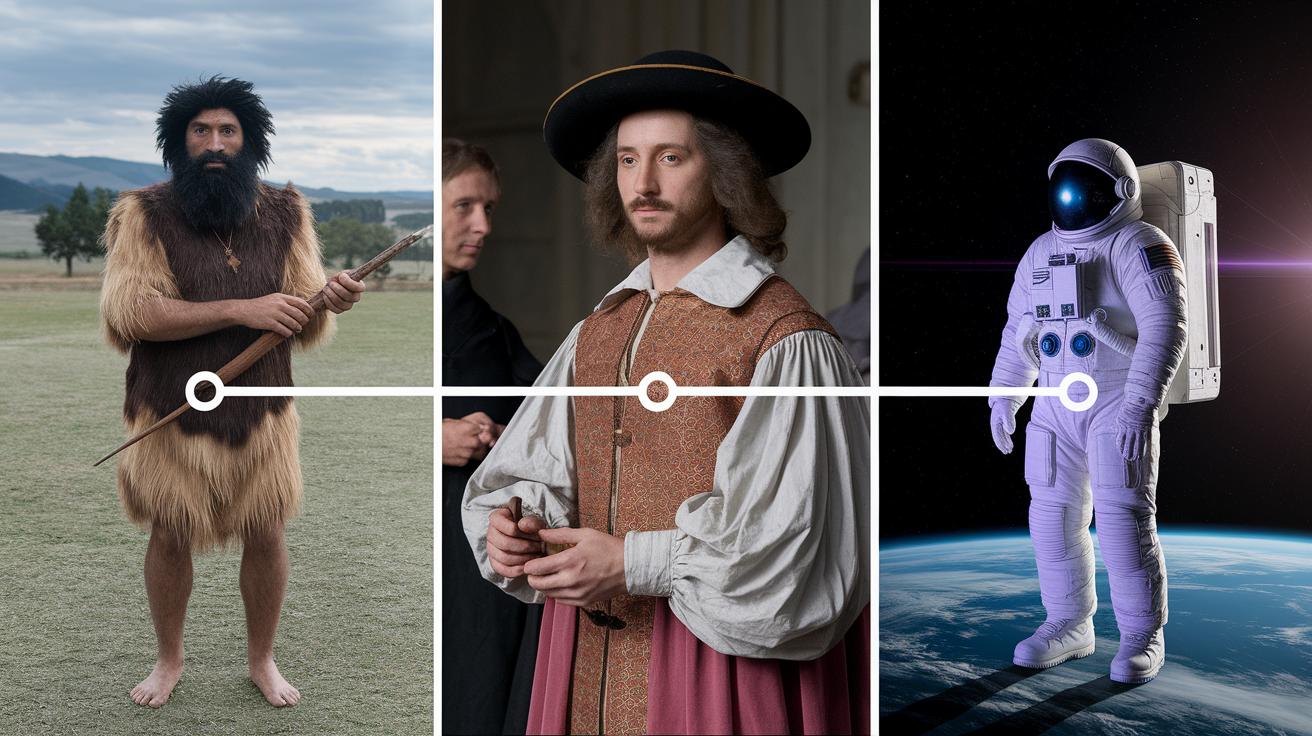
When we compare different eras, we see a neat mix of culture, technology, and social change. Each period sparks change in its own way and shows us how people have grown and adapted. For example, the Neolithic Revolution moved us from a nomadic life to farming communities, while the Digital Age connects us all on a global scale. Every period tells its own story, like the burst of creativity during the Renaissance or the daring spirit of exploration in the Space Age. Looking at these shifts side by side helps us understand how different forces come together to shape our lives.
| Era | Driving Force | Societal Impact |
|---|---|---|
| Neolithic Revolution | Moving from nomadism to farming | Settled communities and new social structures |
| Renaissance | Reviving art and science | New ways of thinking in culture and intellect |
| Age of Enlightenment | Focus on reason and individual rights | Political reforms and early modern democracy |
| Industrial Revolution | Mechanization and mass production | Rapid urban growth and economic change |
| Jazz Age | Fresh sounds and a vibe of freedom | Changing social norms and creative energy |
| Roaring Twenties | Economic boom and new social freedoms | Shifts in gender roles and booming pop culture |
| Cold War | Global clash of ideas | Political tension and tech advances in military |
| Space Age | Breakthroughs in space and tech science | A renewed love for discovery and science |
| Digital Age | Fast tech advances and global links | Completely new ways to communicate and share info |
Even though these eras have their own unique flair, they share common themes like the drive for progress, the hunger for knowledge, and shifts in what people value. Each period not only shows us its own challenges and wins but also sets the stage for future changes that still shape our world today.
Modern mood snapshots: zeitgeist examples in today’s world
Digital transformation goes beyond a passing trend. It’s a shared mindset that unites us all today. The Information Age, Digital Age, and even the Space Age have changed the way we talk, work, and live. Every day, fast tech shifts shape our chats on social media, our online work spaces, and even how we enjoy our favorite shows.
This new outlook mirrors a broader cultural change. Technology now fuels our connections, drives our care for the planet, and supports flexible work and creative expression.
- Social media virality – Picture a video that blows up overnight and gets people talking all over the globe.
- Climate activism – Imagine young activists using digital tools to spread the word and push for greener change.
- Remote work culture – Think of professionals swapping cramped offices for cozy home setups, all connected by video calls.
- Streaming-on-demand – Picture winding down with a binge-watch session of your favorite series after a long day.
- Meme-driven narratives – Consider how memes do more than just entertain, they capture important cultural moments in seconds.
These trends show how technology and society blend together. They reflect our knack for digital fluency, our care for the environment, and our desire for a lifestyle that bends to our needs. Watching quick community bonds form on social media, seeing digital tools power young climate warriors, and noticing how remote work reshapes our routines all prove that today’s values run deeper than staying connected. They remind us that belonging means adapting, growing, and expressing ourselves in a world that never stops changing.
Cultural spirit illustrations: artistic, literary, and cinematic zeitgeist examples

Artists, writers, and filmmakers capture the heartbeat of their times. They create works that mirror our feelings and ideas, acting like snapshots of society's spirit. Think of each piece as a moment in time, a clear sign of how a culture sees itself. Movements like the Romantic Era (late 18th to mid-19th century) and the Postmodern Era (mid to late 20th century) show just how art can echo the shifting moods of the world.
Literary examples give us a close-up look at the hopes and tensions of an era. Books and poems open a window into people’s dreams and fears. Take Orwell’s 1984, for instance. It tapped into post-war worries and the fear of total control. Reading it makes you wonder about personal freedom and how society shapes our everyday lives. It’s a little reminder that our stories might someday ring the same cautionary note.
Art has forever served as a reflection of public mood. The Romantic movement, with its focus on strong feelings and nature’s beauty, captured a hunger for freedom in a structured world. Later, abstract styles like Abstract Expressionism spoke to communities trying to find calm after chaos. These art shifts paint clear pictures of how visual expression can tell the tale of a culture’s inner changes.
Film brings unique life to these themes, blending storytelling with visual magic. Movies like Metropolis (1927) highlighted the tense side of industrial growth, capturing fears about technology and a divided society. Then, in the 1970s, New Hollywood films used real, raw narratives to speak to a society searching for deeper meaning. Each movie draws you in, helping you feel the pulse of its era.
Sociocultural shift vignettes: comparing zeitgeist examples with related concepts
Volksgeist talks about the everyday heartbeat of a people, the traditions and shared values that bring a community together. In contrast, Weltgeist captures a broader, global mix of ideas and cultural shifts. Zeitgeist, on the other hand, is all about the mood of a moment. It tells us how people feel and think during a certain time. Think of it as a quick snapshot of society’s inner life, one that borrows from Volksgeist’s focused spirit and Weltgeist’s wide sweep. For example, a burst of digital creativity can show a modern zeitgeist that mixes personal style with worldwide trends.
A paradigm, however, is more like a lasting model for understanding how society works. While zeitgeist highlights the clear feelings and cultural marks of an era, a paradigm lays out a way of thinking that can shape ideas for generations. These two approaches help us read society: one by capturing the quick pulse of the moment, and the other by setting up long-term frameworks that explain how our ideas and practices change over time.
Final Words
In the action, we explored how zeitgeist examples capture the defining mood of different eras. We unpacked the term with a look at its roots and highlighted landmark moments from history through optical comparisons and modern mood snapshots.
We also saw how art, literature, and film mirror past and present cultural shifts. This fresh take on zeitgeist examples leaves us inspired to see history's spirit in our everyday lives. Stay curious and embrace the vibe.
FAQ
What does zeitgeist actually mean?
The term zeitgeist means the defining spirit or mood of a period shown by its ideas and beliefs. It reflects how a society feels and thinks during a particular time.
What are examples of zeitgeist?
Examples of zeitgeist include key moments like the Industrial Revolution and today’s tech-driven trends such as social media virality. They show how shared values and beliefs shape an era’s mood and direction.
What is the zeitgeist today?
Today’s zeitgeist is marked by rapid digital change, social media influence, and a focus on sustainability and remote work. This reflects our collective shift toward a technology-driven and interconnected society.
What is the zeitgeist of Gen Z?
Gen Z’s zeitgeist centers on digital connectivity, authenticity, and social activism. Their prevailing mood emphasizes transparency and a desire for meaningful, technology-fueled change in society.
How is zeitgeist pronounced?
Zeitgeist is pronounced like “tsite-gyst,” with a clear emphasis on the first syllable. This pronunciation offers a nod to its German roots while remaining accessible to English speakers.
What are zeitgeist synonyms?
Synonyms for zeitgeist include “spirit of the times” and “cultural climate.” These phrases similarly capture the essence of the collective mood and prevailing ideas of an era.
How can I use zeitgeist in a sentence?
You might say, “The film captures the zeitgeist of the 21st century by reflecting our deep reliance on technology and evolving cultural trends,” showing how to describe an era’s distinctive spirit.
What is Zeitgeist: The Movie and its related films?
Zeitgeist: The Movie, Zeitgeist: Addendum, and Zeitgeist: Moving Forward are documentaries that examine social and political systems. They critique prevailing beliefs and highlight cultural trends through a critical lens.
What are examples of zeitgeist in psychology?
In psychology, zeitgeist examples appear when societal moods influence theories of human behavior. These examples illustrate how collective beliefs and cultural trends can shape research and public opinion.