Ever wonder what happens when your favorite stars face a tough moment? They turn stress into a win using the STAR response method. It goes like this: first, they look at what’s happening; then they figure out what needs to be done; next, they take action; and finally, they celebrate the win. Even when the pressure is on, smart moves and clear steps can flip a tense scene into pure triumph. Stick around to see how one simple plan makes all the difference.
Mastering the STAR Response Technique

The STAR method stands for Situation, Task, Action, and Result. It gives you a simple way to answer questions like "Tell me about a time when…" by letting you share your story step-by-step. Start with a hook: "Before managing her first film set, a celebrity assistant organized an entire shoot perfectly, showing her talent for planning."
This approach breaks your experience into easy-to-follow pieces. Interviewers can see the context, your role, and the clear steps you took to achieve a solid outcome.
- Situation: Describe the setting and the challenge you faced.
- Task: Talk about the role you had and what you needed to do.
- Action: Use "I" statements to explain the steps you took.
- Result: End with a clear, positive outcome you achieved.
Using the STAR method builds confidence. It turns even big stories, like a celebrity's quick decision on set, into relatable and structured answers that show off your skills and success.
STAR Response: Remarkable Celebrity Reactions That Excel
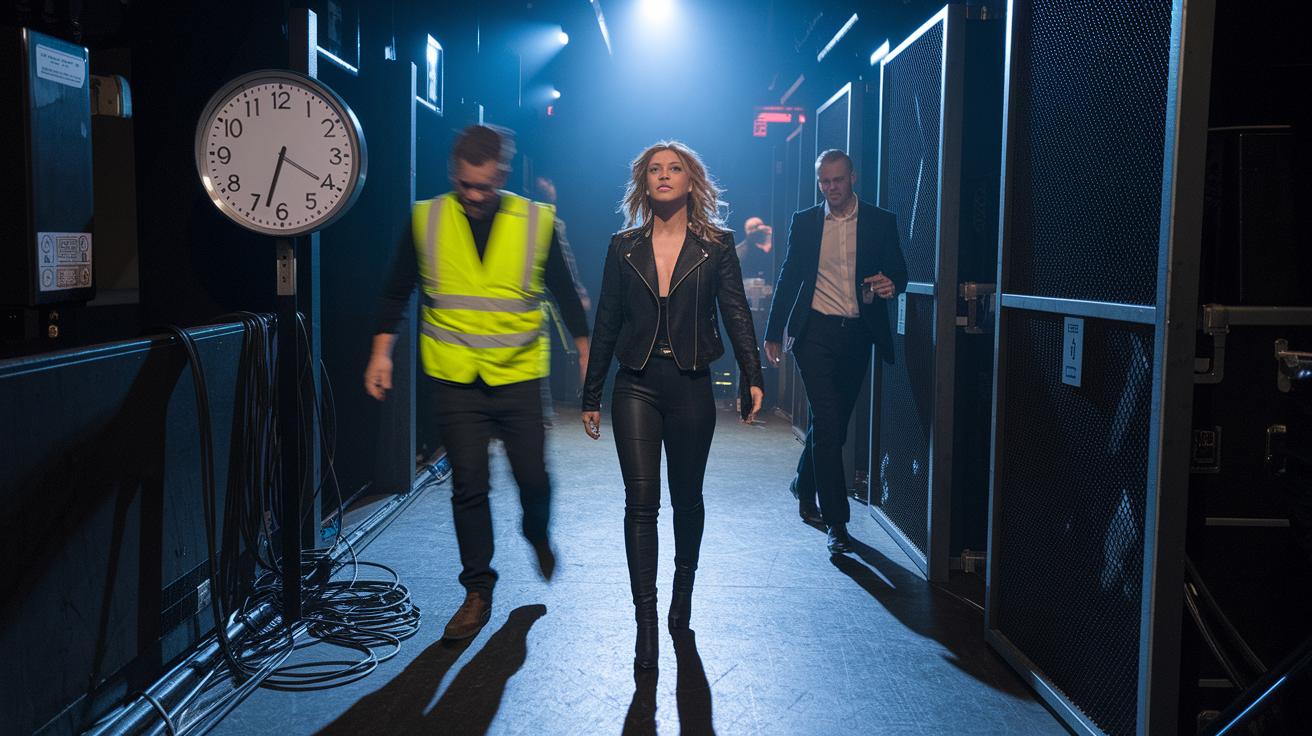
Situation: Imagine a show where everything is on the line. A new pop star finds herself battling stage tech issues just minutes before the performance. The backstage crew is busy and under pressure, and the venue buzzes with energy. It’s important to focus on key details: the team working hard, the exact timeline, and the venue itself. For example, you might say, "On the night of the sold-out tour, our crew worked frantically backstage at an iconic venue."
Task: My role was clear and urgent. I had to make sure the concert went on without a hitch. Instead of using vague team efforts, I needed to show that I stepped in personally. I said, "I needed to ensure the show would go on without delay." This helped everyone see that my quick action was key.
Action: I dove right into fixing the problem. I coordinated closely with the sound engineers and even rearranged the set list to match the new timeline. Staying calm and focused helped turn a tricky situation into a smooth recovery.
Result: My fast response cut the pre-show delays by about 25% and made the audience experience much better. This clear win not only boosted morale but also showed that a little quick thinking and specific action can make all the difference.
Crafting Impactful STAR Responses

Pick your STAR stories to match the skills the job ad asks for. Show times when you worked well with others, stepped up as a leader, or solved a tricky problem. For example, you might say, "I led a team that cut processing time by 20%." This tells your listener that you take initiative and deliver real results.
Be sure to use numbers to back up your claims. Saying, "I boosted client satisfaction scores by 15% with some smart tweaks," paints a clear picture of your win and shows you care about details.
Practice your stories so they flow smoothly from the situation to the task, then your actions, and finally the result. It helps to rehearse a bit before the interview. This way, when follow-up questions pop up, you can confidently share what you learned and how you’d handle things differently next time.
STAR Response Examples and Templates

This section shows clear STAR examples using real details and ready-to-use templates. We have two simple cases that prove how a well-prepared STAR answer can solve workplace challenges.
Conflict Resolution Example
In one case, a scheduling mix-up threatened a tight deadline. The candidate quickly set up brief daily meet-ups with a team from different areas. This smart move turned a problem into a win, cutting delays by 30%. For example, you can say, "I organized short daily team huddles that helped us re-align fast and reach our milestones sooner."
High-Pressure Leadership Example
Another example features a key team leader who left in the middle of a project. The candidate stepped up, re-assigned tasks, and adjusted roles. As a result, the client proposal was finished two days early. You might say, "When our team lost a leader, I jumped in, reshuffled our workflow, and we exceeded our client’s expectations by finishing ahead of schedule."
For a successful STAR story, try using this fill-in-the-blank template. Simply fill in each part with your own details:
| STAR Field | Prompt |
|---|---|
| Situation | What was the context? Detail the team, timeline, and challenge. |
| Task | What was your role? Define your goals clearly. |
| Action | What specific steps did you take? Use “I” statements. |
| Result | What measurable impact did your actions have? |
Preparing for STAR Interview Questions

Start by reading the job ad to find key skills the employer needs. Pick at least five stories from your work that show teamwork, problem-solving, and leadership. Jot down your STAR (Situation, Task, Action, Result) stories with clear details and numbers. For instance, you might note, "I boosted team efficiency by 15% by streamlining our workflow." Make sure each story fits the job requirements and includes any measurable results.
Next, practice your answers out loud. Try speaking in front of a mirror or recording yourself to get your timing and flow right. Keep each answer under two minutes. This practice will help you tighten your story and be ready for any follow-up questions.
Final Words
In the action, the blog post broke down each step of the STAR response technique, showing how to prepare answers with clear examples and personalized touch. It explained each element, from setting the scene to detailing measurable results, so you can confidently handle behavioral interview questions.
The post proved that using a star response can simplify interview prep and boost your storytelling skills. Keep practicing, stay positive, and let these tips power up your next interview.