
Ever notice how a pop star’s look can change the world? We explore pop legends like Elvis and Madonna. Their bold styles and catchy tunes not only started trends but also captured the spirit of their time. We share how shifts in fashion and music made each era unique. Get set to discover how these icons keep reinventing themselves and leaving a lasting mark on culture.
Evolution of Pop Icons: Radiant Style and Influence
From the 1950s to today, pop stars have dazzled us with a style that spoke to entire generations. In the 1950s and 1960s, legends like Elvis Presley, The Beatles, and Motown acts used radio and television to bring music right into our living rooms. Imagine watching a live TV performance and suddenly knowing a new star, you felt that magic instantly.
In the 1970s and 1980s, the beat and vibe changed. Disco glimmer, punk grit, funk rhythms, and a splash of new wave ruled the scene. Donna Summer made dance floors come alive with disco, while The Clash stirred up a rebellious punk feel. Meanwhile, artists like Prince and Madonna showed off looks and sounds that mirrored big shifts in society.
The 1990s brought a digital twist when Michael Jackson’s Thriller shattered viewing records and turned music videos into mini movies. MTV made these visual stories a key part of an artist’s journey. By the 2000s, teen pop burst onto the scene with Britney Spears’s "…Baby One More Time," and digital platforms along with streaming changed how hits reached us all.
Every decade tells a tale of new ideas and a fresh kind of charm that still connects with fans around the world.
Cultural Shifts Driving Evolution of Pop Icons
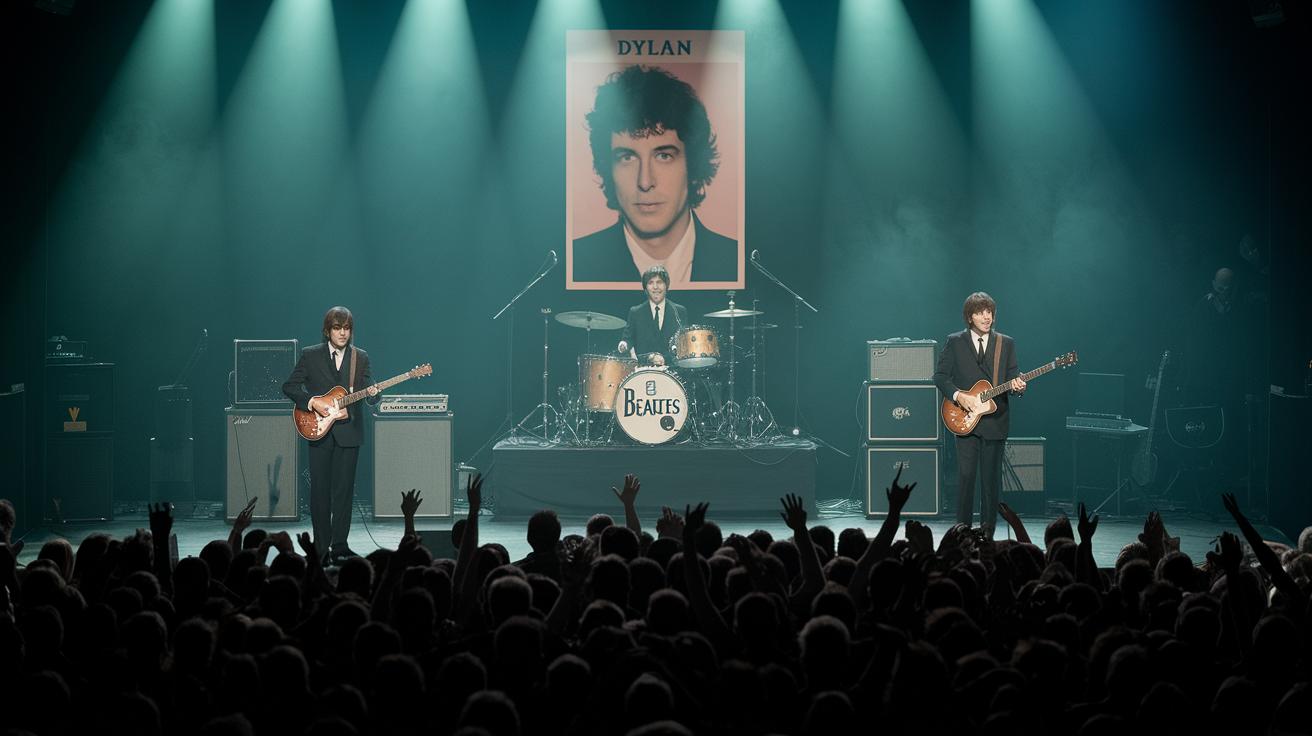
The 1960s changed pop music. The Beatles and Bob Dylan didn't just make catchy tunes; they mixed fun melodies with clear social messages. Their songs became a call to fight unfairness and injustice. In doing so, they spurred activism and encouraged bold new ideas.
Over the years, pop icons broke old limits. K-pop shows that groups like BTS can cross language divides and win fans all over the world. Their upbeat performances and memorable hooks prove that old rules no longer apply. They inspire a whole new generation and change how we think about music and identity.
In the 1990s and 2000s, technology reshaped the bond between stars and fans. Early internet forums and social media gave fans a way to share thoughts instantly. Quick comments and viral trends pushed pop icons to stay flexible, making their music ever more in tune with what listeners wanted. Real conversations with fans helped set trends in modern pop culture.
All these shifts turned pop icons into true symbols of our changing world.
Reinvention and Media Impact on Pop Icons
MTV burst onto the scene in 1981 and flipped the music world upside down. Back then, videos like “Thriller” and “Like a Virgin” transformed songs into lively stories you could see. Stars such as Michael Jackson and Madonna didn’t just perform, they reinvented themselves right before our eyes. Fun fact: Before videos, we only tuned into the radio; now, every show pops with color and movement.
Social media has taken things to another level. Sites like Facebook, Twitter, and Instagram allow fans to chime in instantly and even kick off trending challenges. Nowadays, one catchy hashtag can spark huge buzz and change how an artist is seen. Believe it or not, one viral challenge can boost fan engagement by over 40% overnight.
Streaming services are reshaping the music scene even further. Platforms like Spotify and Apple Music now give artists instant feedback through data. Musicians see which songs hit the mark in real time, helping them decide whether to drop a single or launch a whole album. This direct connection makes it easier for pop legends to evolve their sound and style on the fly. Fun fact: Data now plays a big role in creating chart-topping hits by showing exactly what listeners love.
Milestone Moments Transforming Pop Icons Careers
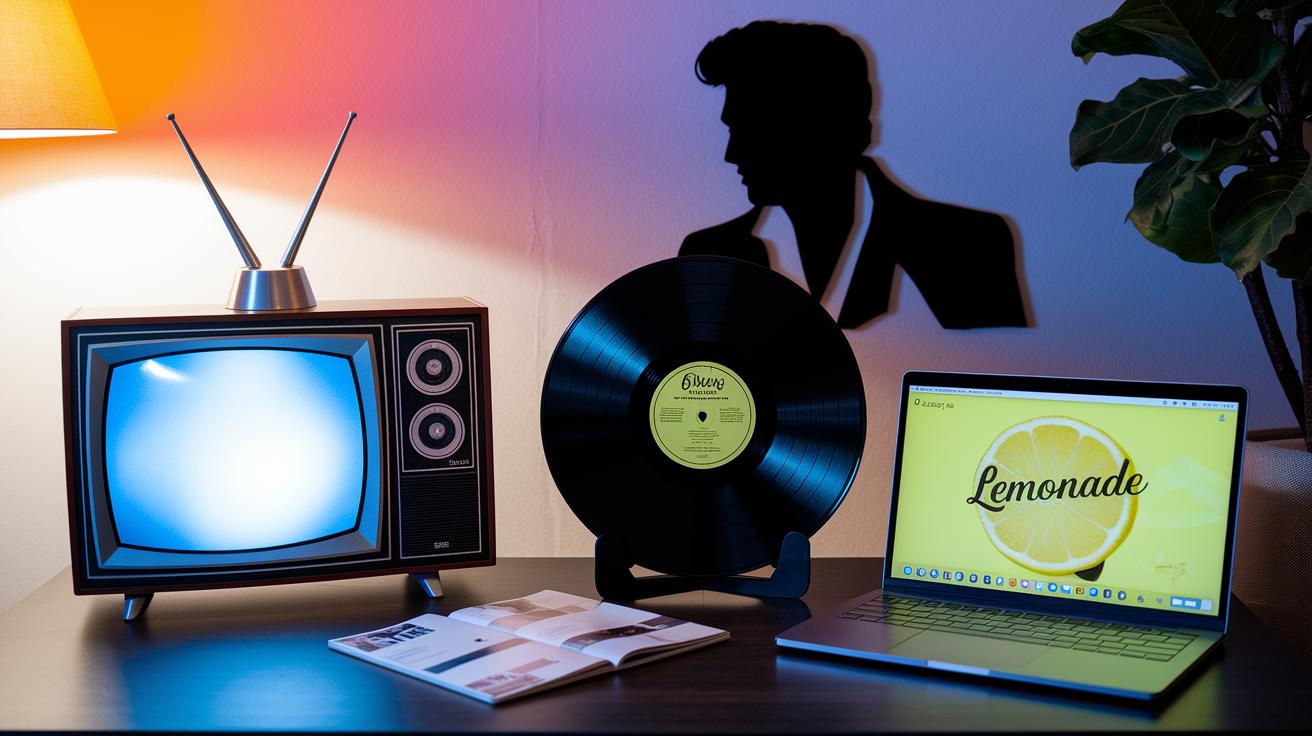
Pop icons have had standout moments that changed everything for them. In the early days, Elvis Presley brought rock 'n' roll into homes via television. Michael Jackson then turned music videos into short story movies that captured hearts. Today, Beyoncé shows us a fresh twist with Lemonade. It mixes music, film, and sharp social commentary all in one release. Before Lemonade, artists rarely combined these elements together, but Beyoncé changed the game and redefined how stars connect with fans.
These moments remind us that as media changes, so do artists. Today’s pop stars use many platforms to create layered experiences that feel both cultural and personal.
Future Pathways in the Evolution of Pop Icons
New tech is changing pop stardom in big ways. AI tools help make songs. They act like creative partners that add a personal touch. Imagine an artist tweaking a catchy hook with help from AI based on how fans feel. It’s like mixing ingredients for the perfect hit.
Virtual concerts now bring live shows to a whole new level. Picture fans chatting with artists in a digital space that moves with the beat. Artists from different styles and countries are teaming up in exciting ways. They mix EDM, Latin pop, Afrobeat, and more to create a rich sound that surprises everyone.
Blockchain tokens and NFTs let fans join in on the action. This new tech means supporters can own a tiny piece of pop history and feel even closer to their favorite stars.
All these changes mark a new era. With bold tech and creative ideas, pop fame is being redefined in fun, cutting-edge ways.
Final Words
In the action, pop icons burst onto the scene from Elvis and the Beatles to Michael Jackson, Madonna, and Beyoncé. Each era brought fresh sounds and visuals that captured hearts. Media shifts, from TV to streaming, changed how we experience music and style. Today, technology continues to shape the scene, offering fans new ways to connect with their favorite stars. The evolution of pop icons reminds us that creativity only grows bolder and brighter, inspiring us all to embrace change and celebrate every hit along the way.
FAQ
What does the evolution of pop icons encompass?
The evolution of pop icons covers how stars like Elvis, The Beatles, Madonna, and BTS redefined musical culture over time through shifts in media, technology, and social attitudes.
How does the timeline of pop icons and pop music history unfold?
The timeline paints decades of transformation—from rock ‘n’ roll and Motown breakthroughs in the 50s and 60s, to disco, digital revolutions, and social media’s impact on modern pop artistry.
What are the defining characteristics of pop music?
Pop music is marked by catchy melodies, simple lyrics, repetitive hooks, and upbeat rhythms, making it broadly appealing, easily marketable, and reflective of evolving cultural trends.
What types and styles of pop music exist?
Pop music spans various styles—disco, funk, new wave, and digital releases—with each type showcasing unique beats, vocal styles, and production techniques that resonate with diverse audiences.
Who are some key pop music artists that shaped the genre?
Influential figures like Elvis Presley, The Beatles, Michael Jackson, Madonna, and BTS have repeatedly transformed pop music through innovative storytelling, unforgettable performances, and groundbreaking media engagement.