
Ever wonder how a tiny logo can change a band's whole vibe? Icons like the Rolling Stones' bold lips and Nirvana's rebellious smiley aren’t just cool images. They capture music's best moments and spark trends on album covers, t-shirts, and more. In this piece, we're taking a close look at how these simple designs blend art and attitude to reshape music history. Ready to see how a small picture becomes a legendary symbol in rock and roll?
Iconic Band Icons: A Visual Gallery of Legendary Logos
Step into a visual playground where each logo shares its own story. Imagine The Rolling Stones' Hot Lips by John Pasche (1971); it’s bold and impossible to ignore. Fun fact: before it hit album covers and t-shirts, The Beatles' drop-T drumshell logo by Ivor Arbiter (1963) lit up a drum kit, sparking a trend in visual design.
This gallery brings together timeless rock symbols and cool modern marks. Think about Nirvana's neon yellow smiley face in Onyx type (1991) , its hand-drawn look screams rebel. AC/DC’s lightning bolt from 1977 slices through the noise with pure electric simplicity. In 1976, Abba dazzled us with a mirrored ‘B’ that plays with symmetry, while The Monkees' guitar-shaped mark by Nick LoBianco (1966) adds a playful rock twist.
Each of these logos is more than just an image. They capture moments in music history, like Led Zeppelin's Hipgnosis crest (1973) and the Ramones' Presidential Seal motif by Arturo Vega (1976), both of which mix art with attitude. And then there's Dead Kennedys’ stencil-ready red “K” by Winston Smith (1978) that still pulses with raw punk energy.
| Band | Designer | Debut Year | Key Feature |
|---|---|---|---|
| The Rolling Stones | John Pasche | 1971 | Hot Lips |
| Nirvana | Onyx Typeface Studio | 1991 | Smiley Face |
| AC/DC | , | 1977 | Lightning Bolt |
Every design invites you to explore more and even download these iconic marks for a taste of endless creative inspiration.
Band Icons Through the Ages: Evolution of Music Logos
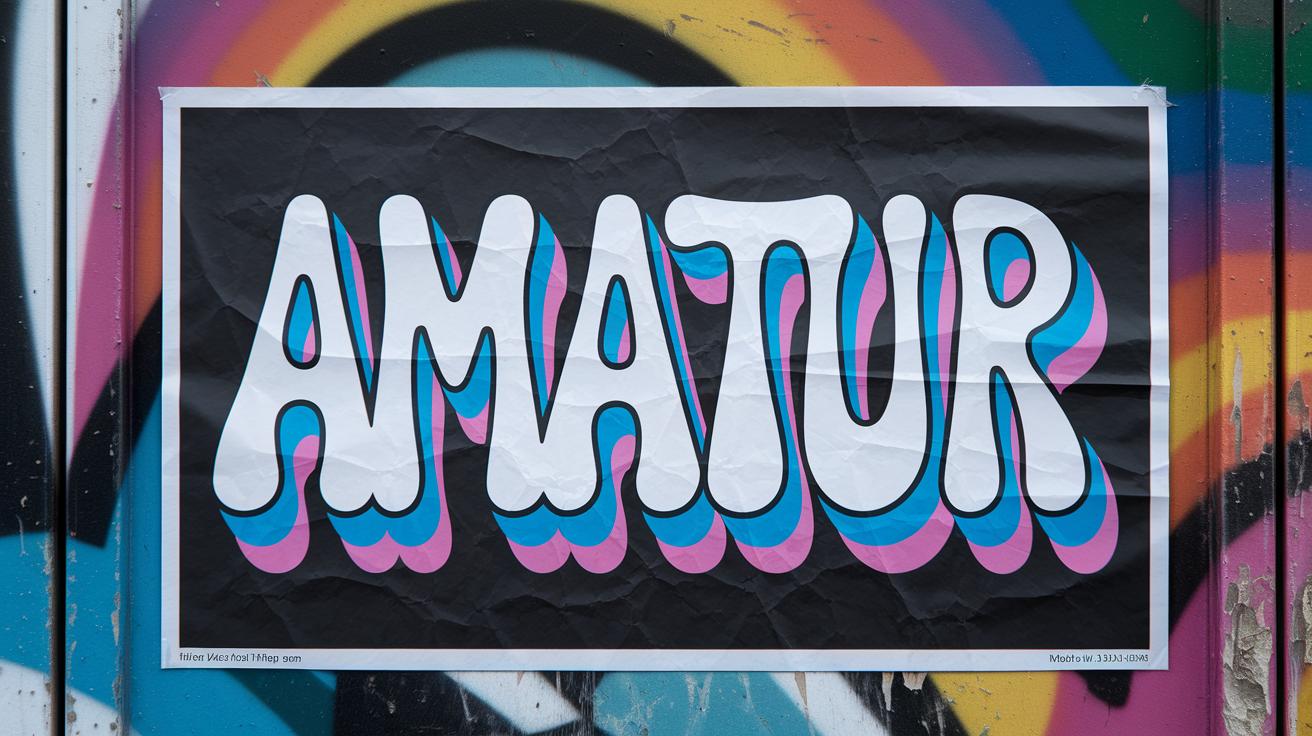
1960s-70s Bold & Psychedelic Designs
In the 1960s and 70s, band logos exploded with wild energy. They rocked bold colors and quirky fonts like those from Rolling Stones and Pink Floyd. These designs weren’t just marks, they were art. Picture a swirling burst of hues, a kaleidoscope of shapes that move with the beat. That era was all about creative risk-taking and freedom.
Punk DIY & Political Graphics
By the late 1970s, punk bands flipped the script with raw, straightforward designs. Bands such as Dead Kennedys and Adam and the Ants embraced a look that was simple yet powerful. Think of a gritty red “K” or solid black lines cutting through the noise. These logos felt real and rebellious, perfectly capturing an anti-establishment vibe.
1990s Grunge & Rave Aesthetics
In the 1990s, a grunge, hand-drawn style became the norm. Nirvana’s iconic smiley face, with its rough, imperfect lines, spoke to a generation craving authenticity. At the same time, logos like KLF’s pyramid and Wu-Tang Clan’s bold “W” mixed in elements from rave and graffiti art. They offered a rugged yet playful twist that defined the decade.
2000s-Present Digital Adaptations
Today, band logos have evolved for the digital age. Modern designs often come in scalable formats (like SVG), ensuring they stay crisp on everything from social media feeds to LED screens at live shows. These logos are sleek, sometimes animated, and they blend traditional art with digital innovation to tell their bands’ stories across many platforms.
Designing Band Icons: Key Principles for Standout Logos
When you design icons for bands, opt for bold choices that capture music's raw energy. Use experimental fonts and bright symbols to help your logo break away from plain, corporate styles. Stick with high contrast and plenty of empty space (that means areas with no design elements) to keep the logo easy to read on t-shirts, stickers, and social media. Keep it simple, avoid too many details or elements that stray from the band's true vibe.
Here are some practical tips to guide your design:
- Pick bold colors that match the band's sound.
- Choose typefaces that mix personality with clear readability.
- Add symbols that have real meaning for the band.
- Keep shapes simple so they print well on merchandise.
- Use empty space for hidden surprises.
- Create your artwork in a vector format so it scales perfectly.
- Test the logo on small images and big stage backdrops.
- Steer clear of unrelated images that dilute the brand.
Think of a famous band icon that uses a flash of color and a simple, expressive font. Here's an interesting fact: many bands first doodled ideas on napkins before those sketches evolved into legendary logos.
Striking the right balance between creativity and clarity is vital. It might be fun to add lots of quirky elements, but the most memorable logos excel with clean design and smart visual balance. When you focus on images that fit the band's style and keep things simple, your logo not only makes a bold statement but also leaves a lasting impression on every platform.
Band Icons Case Studies: Unified Look at Legendary Logos
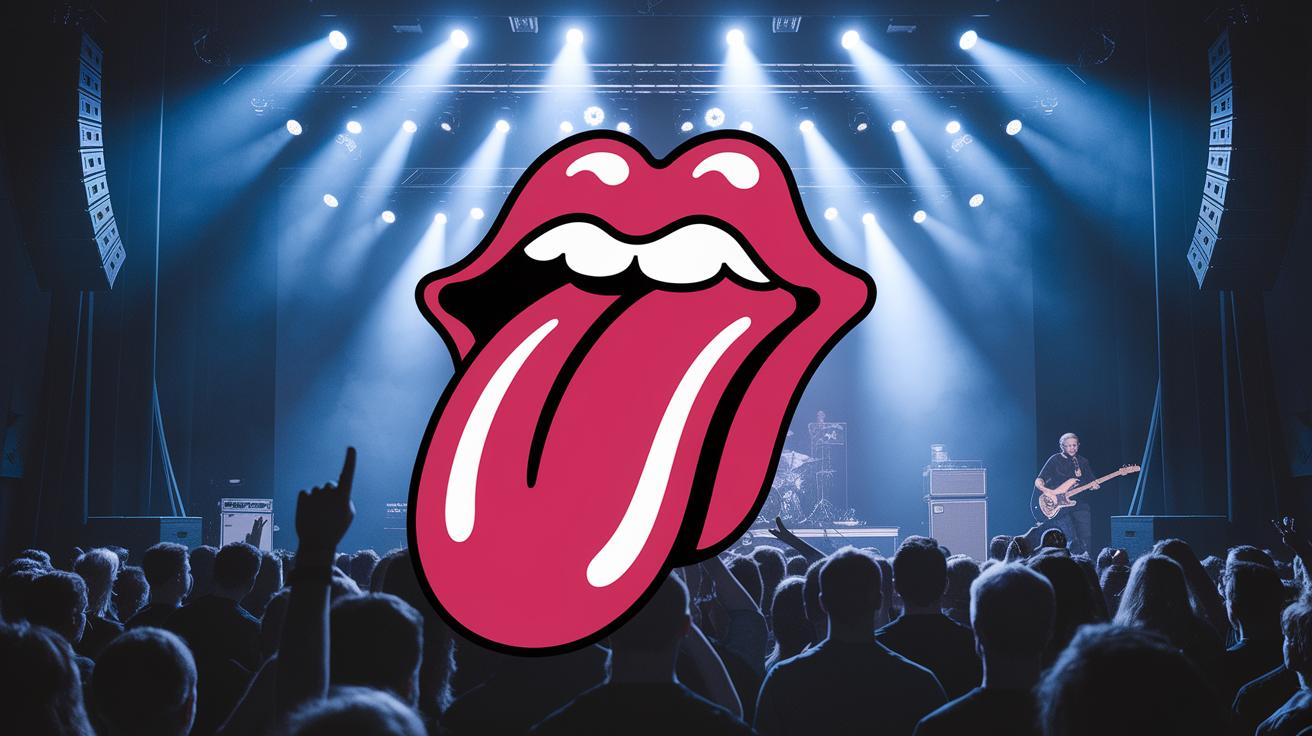
Rock logos do more than look cool, they capture the true spirit of each band. This section gives you a fresh look at these famous marks without rehashing everything we've mentioned before.
Take The Rolling Stones as an example. Their wild lips and tongue burst with rebel energy. Long before they became a global symbol, that bold design set a new movement in motion.
| Band Name | Designer | Debut Year | Key Visual Feature |
|---|---|---|---|
| The Rolling Stones | John Pasche | 1971 | Lips & tongue |
| The Beatles | Ivor Arbiter | 1963 | Drop-T typography |
| Nirvana | Onyx Typeface Studio | 1991 | Hand-drawn smiley face |
| Ramones | Arturo Vega | 1976 | Presidential Seal motif |
| AC/DC | , | 1977 | Lightning bolt |
| Dead Kennedys | Winston Smith | 1978 | Stencil-ready red K |
Future of Band Icons: Digital Emblems & Fan-Created Graphics
Digital emblems are taking center stage in band imagery. AI logo makers are popping up on popular platforms, letting bands test tools that quickly sketch unique designs. Fans even get to tweak ideas, imagine a fun fact like, "Before digital tools, bands used to scribble ideas on napkins." This shift helps create emblems that light up during livestreams and on LED stage screens.
Agencies are now using collaborative design tools that let fans share feedback in real time. Fan-made art isn’t just a side gig; it often sparks official design changes. Trend forecasts include animated logos that blend classic looks with a modern twist. Even stage visuals have evolved, offering fluid, eye-catching designs that captivate live audiences. AI-assisted design brings speed and originality, while fan-created graphics add an authentic feel to a band's vibe.
Crowdsourced ideas and money-back guarantees on design platforms make it safer for bands to experiment. This mix of tech and creative energy is driving a bold new wave in band visuals.
Final Words
In the action of these legendary band icons, we traced timeless designs from bold beginnings to digital innovations. We uncovered key design tips and celebrated iconic logos like The Rolling Stones’ “Hot Lips” and Nirvana’s neon smiley. Each section revealed how creative flair and careful craftsmanship shape visual identities. The piece leaves us buzzing with style ideas and fresh inspiration. Let these band icons fuel your next creative spark and keep you tuned into the pulse of pop culture.
FAQ
What is the most famous band logo?
The most famous band logo is often seen as The Rolling Stones’ “Hot Lips” design, recognized worldwide for its bold imagery and lasting impact on rock culture.
Who is the lead singer of the band Icon?
The lead singer of Icon isn’t featured here, as this collection spotlights legendary emblems rather than individual band members.
What is the most iconic band ever?
The most iconic band ever is frequently considered to be The Beatles, thanks to their groundbreaking music and timeless influence on global culture.
Who is the top 10 band in the world?
Defining the top 10 bands in the world is subjective. Many rankings include groups like The Rolling Stones and Nirvana, with opinions varying by taste and legacy.