
Ever notice how a sound from 1970s Japan still fires up listeners around the world? City Pop mixed catchy pop beats, smooth jazz (music with swing flavor), and chill folk tones into an urban mix that paints clear pictures of bright neon nights and cool coastal rides. It blends wild, experimental rhythms with everyday heart, creating a sound that feels both truly Japanese and universally appealing. City Pop isn't just about old records; it's a timeless groove that keeps inspiring fans everywhere.
Defining City Pop: Origins, Sound, and Early Development
City Pop first took shape in Japan during the late 1970s and thrived into the mid-1980s. It mixed the laid-back groove of funk and soul with touches of disco, lounge, yacht rock, and AOR influences. Imagine a cool summer night: smooth beats echoing through neon streets, creating a vibe that's as refreshing as a cocktail of soulful rhythms and urban energy.
American sounds also played a big part. Early groups like Happy End drew from California folk-rock and yacht rock, giving the music a unique twist that felt both deeply Japanese and wonderfully global. Picture cruising along a coastal road with the soft strum of a folk guitar, where California’s easy charm meets Tokyo’s sleek cool.
In the end, City Pop is celebrated for its relaxed urban vibe, more about feeling than following strict rules. Bands like Yellow Magic Orchestra drove the style forward by using new synthesizers from Roland and Yamaha. Their blend of rich electronic textures and vibrant city energy captured the buzz of Tokyo’s nightlife, making the music resonate with fans then and now.
city pop: Radiant Retro History and Vibes
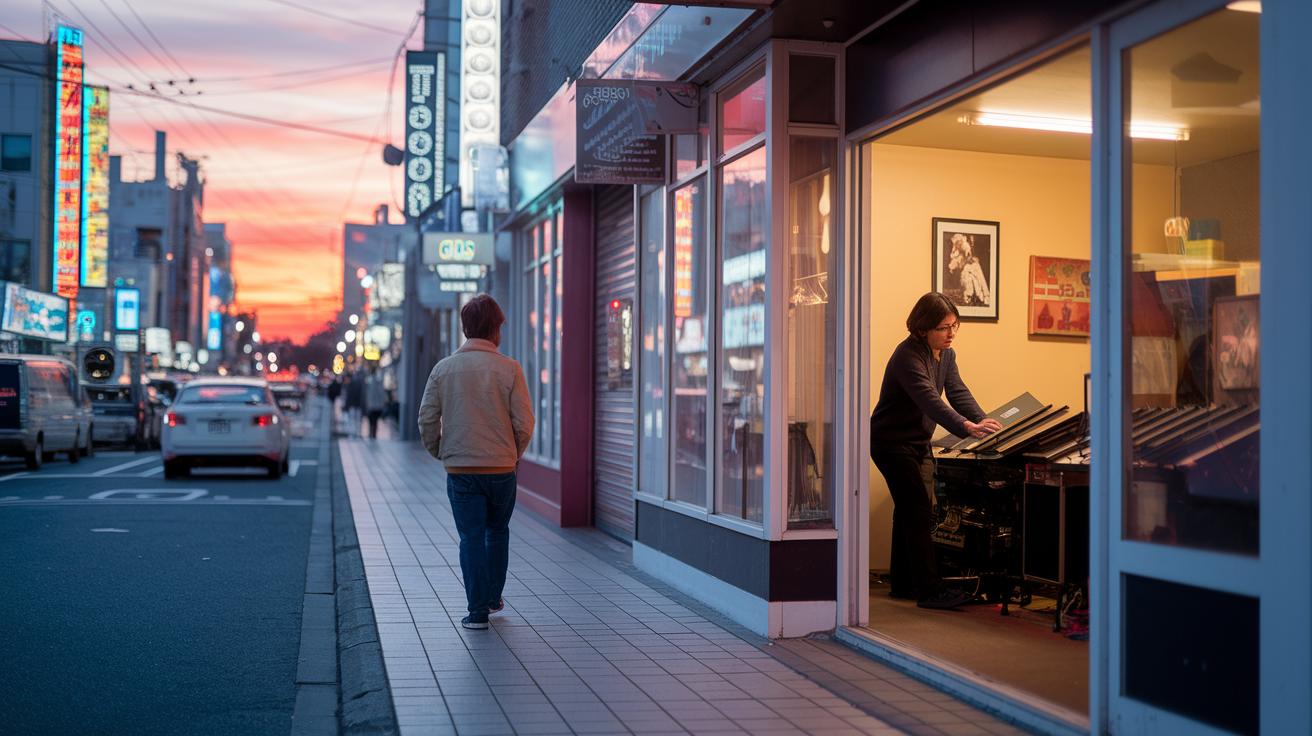
Back in the late 1970s, Japan burst onto the scene with bold, new sounds that defined city pop. Artists mixed breezy jazz fusion with catchy pop beats to create an urban vibe full of style and soul. Studios buzzed with energy as musicians experimented with soft percussion and layered melodies. Records like Taeko Onuki’s SUNSHOWER and Makoto Matsushita’s "Love Was Really Gone" quickly won over a growing crowd and set the stage for a fresh, distinctive sound.
| Artist | Release | Year | Signature Track |
|---|---|---|---|
| Taeko Onuki | SUNSHOWER (album) | 1977 | “Sunshower” |
| Makoto Matsushita | “Love Was Really Gone” (single) | 1981 | “Love Was Really Gone” |
| Kingo Hamada | midnight cruisin’ (album) | 1982 | “Midnight Cruisin’” |
These hits became the blueprint for city pop's high-quality sound. They combined sharp, natural percussion with warm layers of instruments that made each track come alive. Kingo Hamada’s midnight cruisin’ brought in smooth yacht-rock rhythms that captured the magic of Tokyo’s nightlife. At the same time, other records set high standards with their polished production. This love for studio excellence and creative musical layering still inspires musicians and producers today.
Production Techniques and the Signature City Pop Sound
City Pop blends jazzy, fusion chords with clear pop structures. The smooth harmonies make tracks feel relaxed yet sharp. Picture layered piano chords and soft guitar riffs singing together like your favorite coffee shop tune. This style creates songs that are both rich in flavor and easy to enjoy.
The magic of City Pop comes alive with classic 1980s synth sounds. Producers used cool analog and digital synths from brands like Roland, Yamaha, and Korg to build futuristic beats. The drum beats, played by skilled session musicians, match perfectly with the synth layers. Imagine a nighttime drive where every beep of an electronic note lights up the dark.
Extra touches make City Pop even deeper. Horn sections, soft backing vocals, and extra percussion add a high-end polish to the tracks. These details mix like ingredients in a superb recipe, giving each song its unique urban charm. This blend of studio tricks set the standard for City Pop and keeps inspiring fresh, vibrant sounds today.
The 80s Revival and Modern City Pop Movement
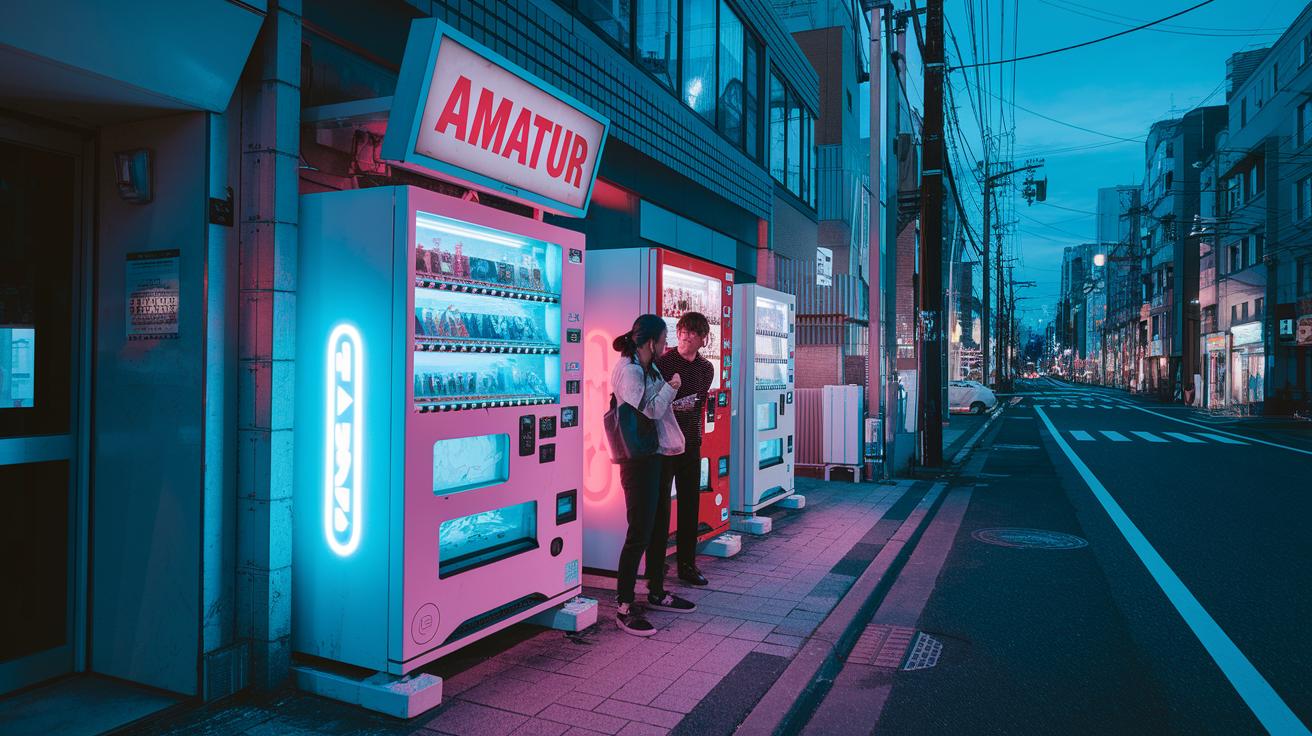
YouTube and TikTok have sparked a worldwide comeback for City Pop. Their smart suggestions and catchy memes help fans discover retro tunes that recall Tokyo's vivid neon nights. It's like finding hidden treasures that once filled 1980s radio waves.
Today’s artists pay tribute by mixing fresh beats with classic City Pop feels. In 2018, a teaser by K-pop star Yubin hinted at a new take on Mariya Takeuchi’s 1984 hit "Plastic Love," and excitement soared. Musicians blend modern rhythms with vintage vibes, using soft percussion and gentle synth sounds that defined the genre. This mix creates a playful space where digital clarity meets warm nostalgia.
Old-school gear and vinyl reissues add to the magic. Analog synths like the BA-1 reproduce those classic tones, and limited-edition 1980s vinyl albums fly off the shelves at boutique record stores. These tangible nods to the past keep the spirit of City Pop glowing in today’s digital age.
Deep Dive into Influential City Pop Tracks
City Pop tracks feel like magic from a past era. They mix smooth beats and thoughtful lyrics that keep fans and new musicians buzzing. Each song shows off rich vibes and gentle reflections, offering a little escape into memories while inspiring today’s sounds.
Mariya Takeuchi: “Plastic Love”
Mariya Takeuchi’s “Plastic Love” draws you in with its catchy groove. A deep bass and echoing drums set the scene, like a city that never sleeps. The lyrics talk about passing love with a bittersweet touch, reminding you of neon streets and fleeting moments. It's the perfect track to sway along to on a cool night.
Makoto Matsushita: “Love Was Really Gone”
In “Love Was Really Gone,” Makoto Matsushita brings together smooth string sounds and punchy guitar lines. This mix creates a vibe that's both elegant and real. Think of it like a painting made of sound, each chord tells a piece of a story about lost love and quiet memories. It’s music that feels polished yet deeply personal.
Kingo Hamada: “Midnight Cruisin’”
Kingo Hamada’s “Midnight Cruisin’” fills the night with soft sax solos and relaxed guitar touches. It feels like a long drive under neon lights, where every sound paints a picture of calm and cool streets. The song layers its instruments perfectly, inviting you to chill and lose yourself in the rhythm.
Together, these tracks show how City Pop still echoes in our hearts. They remind us that old-school style can guide new steps in music today.
City Pop’s Cultural Impact and Global Appeal
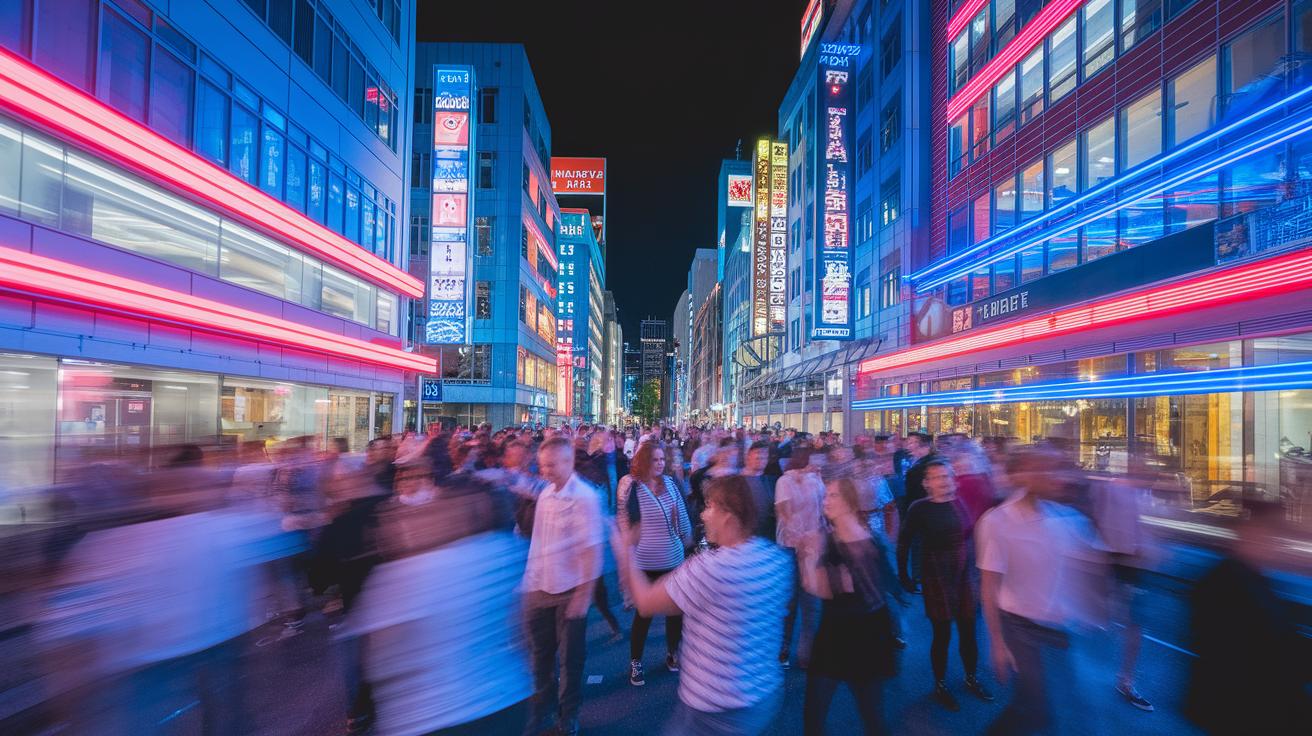
City Pop has burst out of Japan to capture hearts everywhere. People find these catchy tunes through playlists on streaming sites, lively online chats, and social media groups. Fans swap rare tracks, share cool vinyl discoveries, and reminisce about the bright, bustling 1980s city life. It's like an old favorite movie coming back to life, uniting folks from different cultures under the glow of neon nights.
Live shows and themed DJ sets have helped this retro sound hit global stages. In cities like Tokyo, Seoul, and major Western hubs, club nights and festivals spotlight these smooth, vintage beats. DJs blend classic tracks with fresh mixes, inviting everyone to groove under vibrant lights and soak in a shared nostalgia. This lively exchange keeps City Pop as the go-to symbol for 1980s urban cool, sparking a revival that connects cultures around the world.
Final Words
In the action, we explored city pop’s roots, its blend of funk, soul, and yacht rock, the cutting-edge production tricks, and the vibe of Tokyo’s urban nights. We touched on classic tracks and how modern channels brought these sounds into today's spotlight.
Every section showed how city pop remains timeless in its creativity. Its upbeat spirit and cool influence continue to spark fresh energy and inspiration.
FAQ
What is considered City Pop?
City Pop is a Japanese music genre from the late ’70s to mid-’80s that blends funk, soul, disco, and yacht rock. Its catchy songs, slick albums, and urban vibes define the sound.
Does City Pop still exist?
City Pop still exists and has enjoyed a revival thanks to streaming and social media. Its vintage style continues to capture fans and influence modern artists around the globe.
Who is the queen of City Pop?
Many note Mariya Takeuchi as the queen of City Pop, thanks to her timeless hit “Plastic Love” and her influence in shaping the genre’s signature, smooth style.
Why is City Pop making a comeback?
City Pop is making a comeback driven by online playlists, social media buzz, and a renewed love for retro sounds. New listeners and artists alike embrace its nostalgic urban vibe.
What are City Pop songs, artists, and albums all about?
City Pop songs feature slick production and upbeat urban vibes. Artists like Taeko Onuki and Makoto Matsushita set the tone with albums that capture the spirit of late-70s and 80s Japan.
What is City Pop Popcorn?
City Pop Popcorn is a playful term referring to the genre’s catchy, snackable tunes that feel light and fun. It exemplifies the quirky, approachable side of City Pop.
How does City Pop connect with places like Zürich?
City Pop has reached global appeal, with cities like Zürich hosting events and fan meetups. Its cool, retro charm resonates with diverse audiences far beyond Japan.