
Ever worried that your private moments might vanish in an instant? In 2014, a small glitch turned hundreds of personal photos into public chatter. Celebrities who expected their images to stay secure suddenly found themselves exposed. This incident shows how a simple backup feature can sometimes let strangers peek into private lives. Let's break down what happened and spot the weak points that allowed this digital breach.
celebrity hacked iphone photos: Bold Breakthrough News
On September 1, 2014, a huge digital scandal hit the internet. Around 100 stars saw their private photos leak from Apple iCloud backups thanks to an auto-sync feature. These images quickly appeared on places like 4Chan, shocking fans and experts alike.
The leaked photos had all the extra data stripped away so you couldn’t track where they came from. Think about it: when your phone automatically uploads images, even your private moments can end up exposed. This big mistake in cloud security got everyone talking about privacy, not just for the famous, but for all of us.
The incident soon became a warning tale about cloud storage risks. What was meant to simplify our lives opened the door for unwanted access. As details spread, the event left us all wondering how to keep our digital lives safe.
Technical breakdown of the hack methods behind celebrity hacked iPhone photos
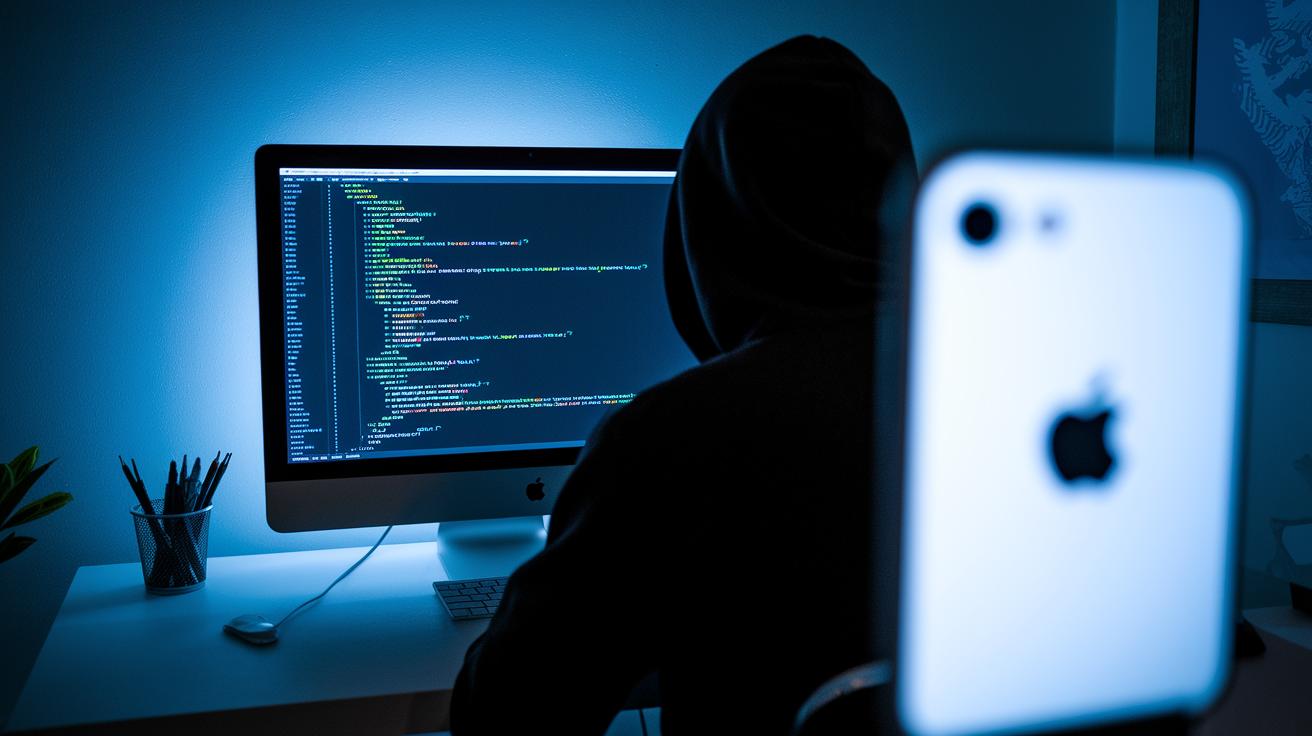
Hackers found a weak spot in smartphone security. They used a tool called iBrute that started as a demo and first appeared on GitHub on August 30, 2014. iBrute let them run dictionary attacks on Apple IDs without facing the usual CAPTCHA checks. This meant that automated systems could try thousands of common passwords until one finally broke in.
About 55% of people use the same password on different sites. This habit made it very easy for hackers to attack celebrity accounts. They took advantage of old data from past breaches. In short, a password stolen from one service could open an entire iCloud account full of private photos.
iCloud has an automatic sync feature that backs up camera roll photos. But this handy tool also stored pictures along with all other device data. Imagine if every time you saved a note, a copy was sent to someone else; that is exactly what happens when backup systems lack strong protection.
Combining iBrute’s brute-force technique, common password reuse, and a weak iCloud sync created a perfect storm. Hackers could access private mobile images on a large scale. It’s like a leaky faucet, a tiny crack, such as a shared password, can eventually flood the whole system with breaches.
By using these smartphone breach methods and exploiting Apple security faults, the attack revealed a major flaw. A feature meant to prevent data loss ended up allowing unauthorized access to personal and celebrity photos.
How the celebrity hacked iPhone photos leak reshaped cloud security demands
This incident exposed serious flaws in cloud safety. Auto-sync (automatic data backup) can leave private files open to risk if not set up right. When the photos were leaked without their EXIF metadata (the extra info stored in each image), tracking where they came from turned nearly impossible. It’s a clear reminder that even helpful backup tools can create vulnerabilities.
Losing the metadata erased all forensic clues. Experts found it tough to pinpoint the leak’s source, sparking lively debates among tech insiders about how cloud platforms handle remote data. It was a real wake-up call for both providers and everyday users.
For cloud providers, the breach highlighted the urgent need for stronger security. They now face pressure to rethink backup systems and boost data protection. This event has kicked off a wave of discussions on how auto-sync features should safeguard, not expose, personal content.
End users took notice, too. With this dramatic leak, people grew more cautious about what they store online. Best practices quickly became common knowledge:
- Change passwords often
- Monitor account activity regularly
This high-profile leak set a benchmark for tackling privacy issues in cloud storage. It showed that even the most trusted services might not be as secure as we think, and it pushed the conversation on protecting sensitive personal images even further.
Legal ramifications of celebrity hacked iPhone photos distribution
When intimate images get leaked without permission, it's not just a breach of trust, it can break the law. Sharing these private snaps can hit hard on privacy and copyright rules, putting everyone involved in hot water. Even though we haven't seen any blockbuster lawsuits yet, this leak has everyone talking about beefing up our legal protections for personal data and slapping a penalty on those who misuse stolen photos.
Law enforcement and legal experts are in a heated debate. They wonder if people posting these images on online forums could face charges for cyber intrusion because the hack meant getting illegal access to private cloud backups. And then there's the question: if websites allow this content to spread, should they also face legal pressure for not stepping in to stop it?
Many legal analysts point out that this case shines a light on the need for stricter laws to tackle the digital spread of hacked content. Prosecutors even see it as a prime example when thinking about mobile privacy lawsuits. With lawmakers and privacy advocates pushing for tougher enforcement, this incident reminds us that even the digital world isn’t a law-free zone when it comes to protecting our rights.
Steps to recover and mitigate celebrity hacked iPhone photos exposure
If you find your private photos on the internet, act fast. First, lock down your account by changing your Apple ID password right away. Pick a unique mix of letters and numbers, something like "SecurePass2021!" works well. This keeps hackers from guessing your password with common words.
Next, update all passwords on accounts linked to your Apple ID. Reusing passwords can let hackers sneak into other places, so a quick reset helps cut off any chain reaction.
It might feel like a lot, but keep checking your accounts regularly for any weird login attempts. Think of it like scanning your mailbox for an unexpected letter. This simple habit can catch sneaky breaches early. You might also want to use forensic recovery tools that scan for signs of unauthorized access.
A top expert from Johns Hopkins University advises keeping personal data on your mobile to a minimum. Remove or encrypt sensitive photos and files in your cloud. If needed, use apps that offer secure encryption to keep your data safe.
Here are the main steps:
| Action | Description |
|---|---|
| Reset Apple ID | Change the password and update all linked account credentials. |
| Monitor Activity | Regularly check for unusual logins and set alerts for suspicious behavior. |
| Use Recovery Tools | Employ tools that scan for unauthorized access attempts. |
Quick action using these steps can help cut down the damage and protect your personal information from future breaches.
Proactive defenses against future celebrity hacked iPhone photos incidents
If you want to keep your digital life safe, start by using strong, unique passwords for all your accounts. Don't copy the same password everywhere, instead, mix letters, numbers, and symbols. For example, rather than "password123," try something like "NewPass2023!" to throw off any guessers.
Next, switch on two-factor authentication for your Apple ID. This means even if someone figures out your password, they still need a special code sent to your phone before they can get in. A simple extra step that really stops hackers cold.
Make sure your devices are up to date too. Software updates fix flaws that hackers might exploit, so treat those reminder notifications like locking your door at night. It’s a small act that can mean big security wins.
Don’t forget about your sensitive photos. Instead of keeping them in a regular camera roll where backups might expose them, store them in an encrypted vault app. These apps need an extra password or a fingerprint check before showing your pictures, keeping unwanted eyes at bay.
| Defense | Action |
|---|---|
| Password Security | Create unique, strong passwords for every account. |
| Two-Factor Authentication | Enable this extra check on your Apple ID and important accounts. |
| Regular Updates | Install system updates as soon as they pop up. |
| Encrypted Storage | Keep private images safe in vault apps instead of standard folders. |
Following these steps not only boosts your digital shields but also gives you peace of mind in an age where hacks are all too common.
Expert commentary on celebrity hacked iPhone photos and cybersecurity lessons
A Johns Hopkins University expert has warned that packing too much private info on your phone can leave you wide open to attacks. A fresh project in 2025, teamed up by Johns Hopkins and Google's ATAP group, is putting tougher safety measures to the test and may help shake up privacy rules.
Here’s the scoop:
- Keep only the private data you really need on your phone.
- Always update your systems and turn on two-factor authentication.
These tips are in line with the steps we cover in our recovery and protection guide.
Final Words
In the action, we traced the events that rocked the tech world with celebrity hacked iphone photos. We saw how attackers exploited cloud sync flaws and password reuse to access private images, sparking a high-profile debate on digital privacy. We wrapped up the legal and recovery steps while spotlighting smart defenses to protect personal data. This recap reminds us that even tough times spark lessons and drive better security practices. Stay safe and informed as we move forward with renewed vigilance.
FAQ
What do celebrity hacked iPhone photos on Reddit and similar platforms reveal?
The celebrity hacked iPhone photos show unauthorized images taken from iCloud backups, which were then posted on platforms like Reddit. These incidents raise serious concerns about online privacy and data breaches.
What details have emerged about the iCloud leak on Telegram?
The iCloud leak on Telegram refers to the circulation of unauthorized images extracted from Apple iCloud accounts, sparking debates about privacy and the security flaws in cloud synchronization features.
Which celebrities use Apple products and how do they endorse the brand?
Some celebrities both use and endorse Apple products, highlighting the brand’s style and tech reliability. Their public support often boosts Apple’s image and connects the tech world with pop culture.
How did celebrities’ iCloud accounts get hacked?
Celebrities’ iCloud accounts were hacked by exploiting automatic camera roll sync and password reuse vulnerabilities. Attackers used iBrute-style dictionary attacks to bypass security measures without CAPTCHA restraints.
What is the celebrities hacked game about?
The celebrities hacked game involves sharing or remixing leaked iPhone photos, often fueling online debates. It reflects how sensitive, unauthorized images can spark wider discussions about digital privacy and security.
How do celebrities deal with identity theft related to such breaches?
Celebrities tackle identity theft by immediately resetting credentials, using two-factor authentication, and monitoring their digital presence closely. They also seek legal advice to protect their personal and professional rights.