Ever wonder why a hit song or a classic movie feels more than just fun? Pop culture reflects how we feel as a group. It shows up in music, films, memes, and fashion, turning everyday moments into lively statements about our world. In this post, we explore how new trends shape the way we think and feel. What we see, hear, and wear not only defines us but also captures the spirit of our times.
How Pop Culture Shapes the Zeitgeist Across Media, Music & Fashion
Pop culture shows us how we all feel and think together. It pops up in our movies, music, memes, and style. Think about it: before digital streaming, mixtapes were a secret way for friends to share feelings with every picked song. This fun fact shows how media mirrors our ideas and even pushes them forward.
Movies get us talking and spark trends that make us think about our world. Music, whether it’s chart-toppers or cool indie finds, carries messages that remind us of who we are. Memes use quick humor to turn everyday moments into big online moments. And fashion, from fancy red carpet looks to laid-back street styles, shows changes in how we feel and who we want to be.
Today’s ads ride the pop culture wave. They mix in clips from films, catchy memes, and famous pop moments to reach all kinds of people. On May 25, 2024, experts discussed how brands use these pop cues to connect with a broad crowd. Such ads not only reflect what’s trendy but also help create new trends.
Pop culture is more than just fun, it tells us about society. When a brand borrows the style of a famous star or the rhythm of a hit song, it speaks a language we all understand. This mix of movies, tunes, and fashion turns simple moments into lively conversations about who we are.
Decade-by-Decade Evolution of the Cultural Zeitgeist in Pop Culture
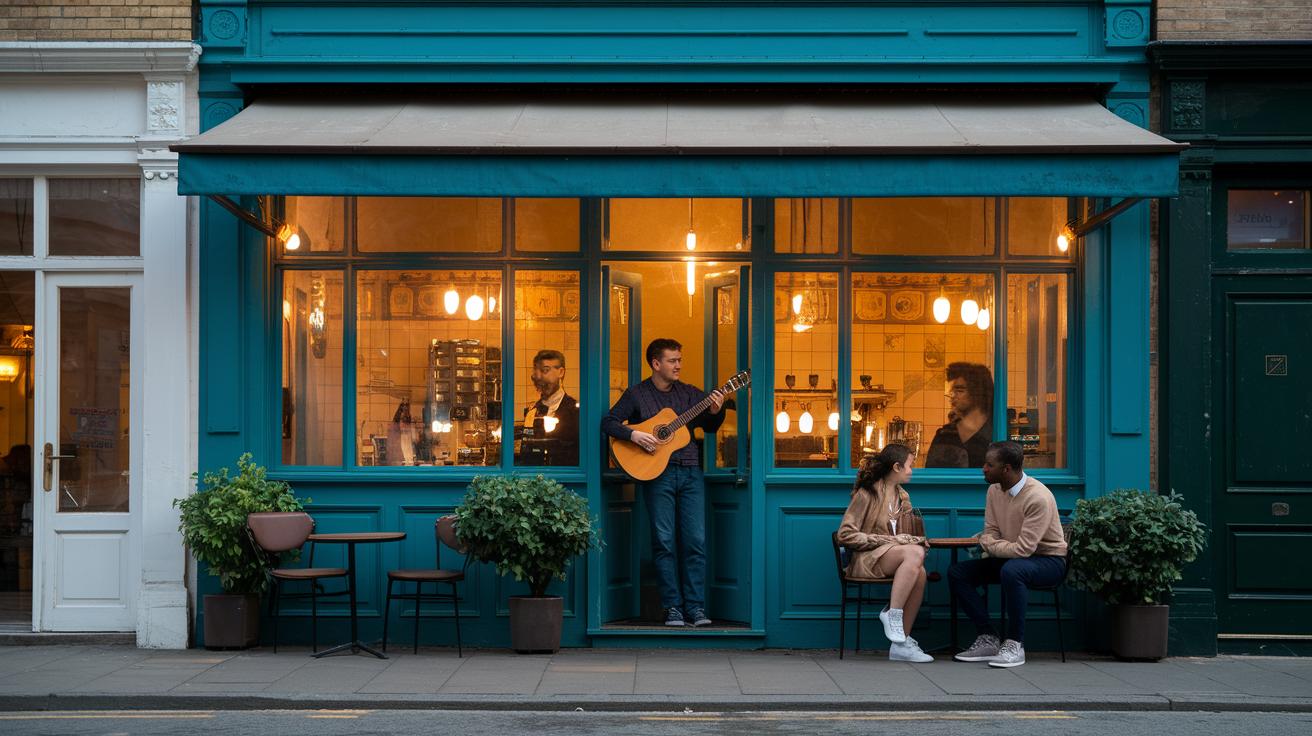
In the 1960s, music was all about peace, love, and a call for change. Picture a small coffee shop where the strum of a guitar fills the air, each note urging unity. These early sounds laid the groundwork for music as a voice of social change.
The 1970s saw feminism grow alongside the glitter of disco and the powerful roar of arena rock. Imagine a vibrant dance floor where strong women's voices blend with pulsating beats. This era was all about style and sound speaking loudly about empowerment.
The 1980s mixed classic ideas with bold electronic music and blockbuster films. Think of a scene bathed in neon lights, with heavy synths and dramatic movie scores sparking debates about society’s values. There’s even a famous movie moment where an electronic beat heightens a key twist, echoing the era's commercial energy.
Then came the 1990s, a time when multicultural beats and alternative sounds took center stage. Indie tracks and underground music united diverse communities, showcasing fresh voices and new ideas. Music became a melting pot that reflected society’s ever-expanding vision.
By the 2000s, standing out as an individual was the trend. Digital platforms changed the game, turning every playlist personal and every trend into a chance for radical rethinking. Each decade left a unique mark, blending history with a new, ever-changing vibe. For a deeper dive, check out "Evolution of Pop Icons" at https://freejv.com?p=1157.
Technological Milestones Driving Pop Culture and Collective Mood
Tech progress has changed digital play into a real cultural trend. Think about the 1980s: video games ran on clunky machines accessible to only a few. Now, millions jump into online gaming adventures every day. Early computer games brought art and play together, opening the door to interactive fun.
Breakthroughs in communication and the rise of the internet changed the way we enjoy media. Ever seen a movie scene that feels like a digital work of art? That blend of classic storytelling and modern effects isn’t by accident. Moving from still displays to live streaming gave culture a burst of energy that still shapes our mood today.
Games like social-casino titles and other online experiences spark lively chats and set new trends. Every click mixes technology with traditional arts, offering fresh ways to express ourselves. These tech advances keep fueling creativity and changing how we connect every day.
Marketing and Advertising’s Role in Capturing the Cultural Zeitgeist
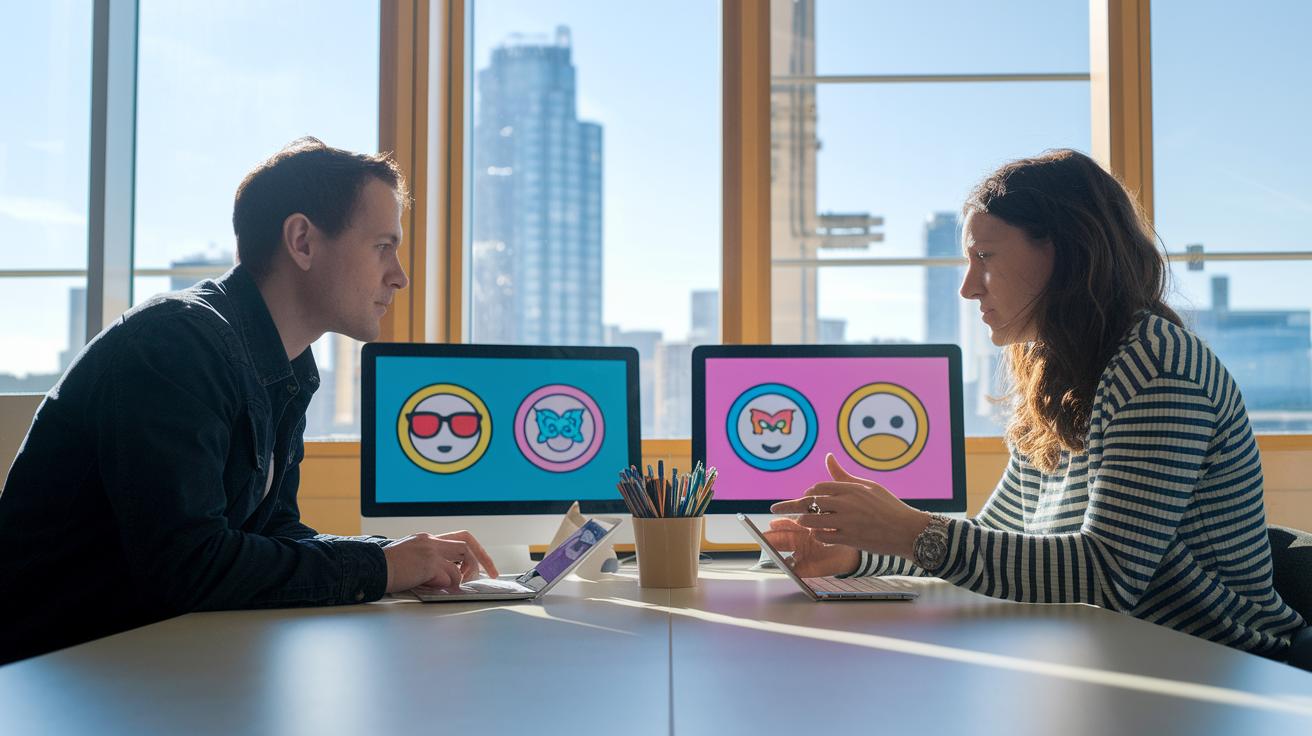
Brands tap into pop culture to capture today’s vibe. They mix film tie-ins, meme trends, and fashion collabs to craft ads that grab your attention fast. One ad even flipped a famous movie scene into a catchy jingle. Remember when that clip got remixed into a tune everyone loved? It shows how a quick nod to pop culture can resonate and shape who we are as consumers.
Marketers also invite us into the story with interactive formats. For example, a campaign might spark six live responses that turn a simple ad into a real-time discussion about trends. This smart twist not only boosts engagement but also helps steer future ideas. Memes and timely pop references push the story beyond ads, making them feel like everyday conversations.
In short, these campaigns harness pop culture to mirror the trends of our time. By blending entertainment with brand messages, they tell creative stories that capture how we live and feel today.
Viral Memes and Influencer-Driven Trends as Real-Time Cultural Barometers
Memes zip across social media, turning small moments into big, shareable stories. They grab our attention with a single snapshot that sparks laughter and conversation. There’s a fun fact: one meme once transformed a funny office mishap into a global sensation overnight.
Influencers add even more excitement. When a popular influencer teams up with a brand, their flair can kick off new trends in music, fashion, and even slang. Remember that TikTok challenge that sent a song soaring into the top charts? It happened when influencers created a catchy dance that everyone wanted to try. It’s a clear sign of how quickly trends catch on when trusted voices get involved.
Real-time feedback on social media shows these trends in action. A recent post saw quick reactions, from excited cheers to playful jabs, that felt like a pulse check for today’s mood. These instant responses help brands and creators keep up with what’s buzzing in culture.
All in all, viral memes and influencer collaborations do more than spark trends; they serve as live snapshots of how we’re feeling and what we’re thinking right now.
Fashion Movements as Visual Symbols of the Zeitgeist
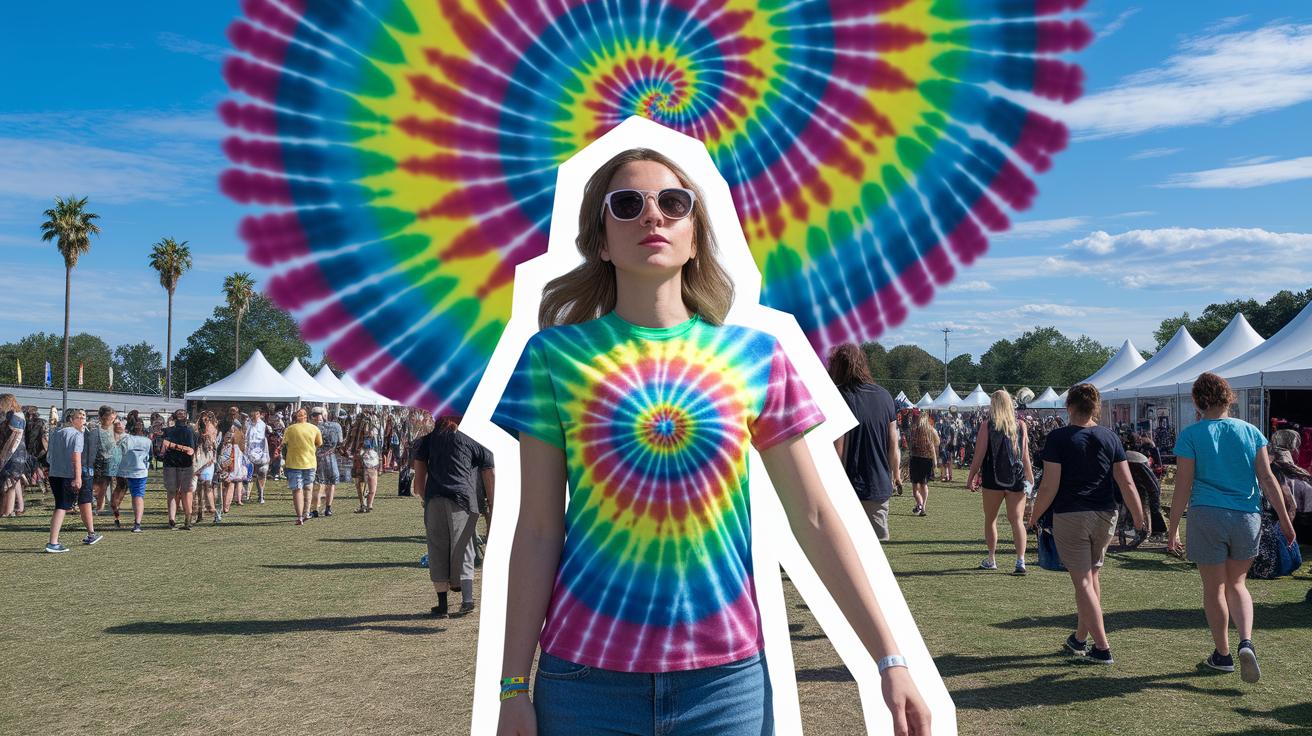
Fashion shows how our feelings change over time. In the 1960s, tie-dye shirts burst onto the scene with bright, swirling colors. Imagine a sunny day at a music festival, where a tie-dye tee shouts out freedom and individuality. It was a clear sign that a generation was ready for a big change.
In the 1970s, punk style stepped in with leather jackets and metal studs. These bold pieces broke away from old rules. Picture a jacket full of attitude challenging what was normal. It was a time when everyone wanted to shake things up.
The 1980s brought power suits mixed with neon details. Think of walking into a room with a flash of neon that shows off bold ambition. These looks cared about making a strong statement in a fast-changing work world.
Then the 1990s hit with streetwear. Logo tees, iconic sneakers, and relaxed fits quickly caught on. They spoke to a generation that valued real and authentic style. By the 2000s, athleisure and fast-fashion made comfort and speed a priority, matching the pace of everyday life.
Today, designers and influencers mix past hints with modern ideas. Every look now tells a story of history, culture, and a lively digital world.
Expert Perspectives on Future Pop Culture and Zeitgeist Impact
Top researchers are spotting a fun new twist in pop culture. They see virtual concerts that feel like real shows in digital spaces. Picture this: you’re in a VR crowd watching your favorite band rock out as if they were right in your living room. It’s an immersive experience that hints at what’s to come.
Experts also believe that augmented reality (AR: tech that adds digital images to the real world) art will change how we view creativity. Imagine a plain city wall turning into a lively canvas that interacts with everyone walking by. This fresh form of art pulls you right into its story.
Meanwhile, music created by AI (tech that learns and creates) is setting new creative boundaries by blending human feelings with machine precision. Indie and underground movements are already hinting at the cultural shifts of tomorrow.
Art and tech come together.
These forward-thinking ideas show us that staying flexible and creative is key in a fast-changing world. Embracing these new trends can lead to richer and more interactive cultural experiences. The future of pop culture is alive and ever-changing, mixing art and technology in surprising ways.
Final Words
In the action, we saw how pop culture shapes the zeitgeist through media, music, and fashion. The article traced iconic trends, from memorable visual symbols to viral memes and influencer hits, each adding its own voice to the collective mood. It highlighted tech shifts, marketing moves, and expert takes that make our cultural pulse more visible. Every segment adds to a lively picture of society in motion, leaving us with optimism and new angles on how pop culture shapes the zeitgeist.
FAQ
How does pop culture shape the zeitgeist?
The way pop culture shapes the zeitgeist is by reflecting current moods and sparking creative expressions across music, films, memes, and fashion. It mirrors our shared attitudes and influences public sentiment.
What is meant by the pop culture zeitgeist?
The pop culture zeitgeist means the spirit of our times seen in everyday trends and expressions. It captures widespread moods and styles that resonate within society.
Can you provide examples of cultural zeitgeist?
Cultural zeitgeist examples include the peace and tie-dye vibes of the 1960s, punk influences from the 1970s, and today’s viral meme culture that reflects our current social mood.
What is the zeitgeist of today?
The zeitgeist of today is defined by digital exchanges, viral memes, and influencer trends. These elements blend technology and creativity, shaping public mood and modern cultural expressions.
How does pop culture form societal culture?
Pop culture forms societal culture by mirroring and influencing public ideas. Through media, music, and fashion, it introduces symbols and narratives that guide social conversations and help shape identity.
How is zeitgeist different from trends?
Zeitgeist captures the broad, collective mood of an era, while trends refer to temporary, popular fads. The zeitgeist is a deep reflection of societal attitudes, whereas trends are short-lived choices.
How is cultural zeitgeist pronounced and used in a sentence?
Cultural zeitgeist is pronounced “tsahyt-gahyst.” For example, you might say, “The cultural zeitgeist today is clear in the mix of digital art and street style influencing global tastes.”
What is the impact of popular culture on society?
The impact of popular culture on society is seen when films, music, and fashion shape ideas and influence behavior. Its reach helps mold public opinion and guides creative trends across communities.