
Ever wonder if our society really cares about our planet and its people? The Zeitgeist Movement brings simple, honest ideas and real solutions that cut through old, tired politics. In just six years, it has turned doubt into a strong wave of support by sharing a clear 320-page guide filled with solid research. This smart approach gives us hope and opens up new ways to tackle our environmental and social challenges. Check it out and see how straightforward, well-researched ideas can change our future.
Overview of the Zeitgeist Movement
The Zeitgeist Movement is a global, nonprofit group that champions sustainability and smart change. In just under six years, it has sparked interest worldwide by challenging old views with fresh ideas on social and environmental issues.
This movement believes in simple, real-world solutions that help both nature and our communities. Before its vision for sustainable reform made waves, only a few activists knew about it. Now, hundreds of thousands have joined in, drawn by its honest take on tackling big problems.
At the heart of the movement is a detailed 320-page guide that breaks down its ideas step by step. Filled with over 800 sources, the guide mixes solid research with bold, practical proposals to solve today’s challenges. It’s like having a clear map when building a better future , straightforward, evidence-based, and full of energy.
Historical Origins and Peter Joseph’s Role in the Zeitgeist Movement

In the later years of a U.S. president's term, many people started feeling let down by traditional politics. This doubt opened the door for fresh ideas. Peter Joseph stepped into this gap as a bold reformer with a unique style. His clear, direct approach quickly turned heads.
Peter Joseph became known around the world with two standout films: Zeitgeist the Movie and Zeitgeist: Addendum. Before these films, he was hardly anyone. But once they hit screens, millions of viewers tuned in and started talking. The films sparked lively debates and connected people from different corners of the globe.
In just six years, his work brought together a small group of curious folks into a vibrant community of hundreds of thousands. His films didn’t just question the usual political rules, they shared simple ideas for real social change. Soon, community events and local screenings popped up, each one deepening the impact of his fresh take on society.
These moments show how Peter Joseph’s creative style gave a voice to a widespread desire for change. His work shone a new light on old problems and helped many see a more hopeful future.
Core Philosophy and Ideological Principles of the Zeitgeist Movement
The Zeitgeist Movement invites us to question old authority and the way things have always been done. It challenges deep-seated ideas about religion, faith, and politics, urging us to trust facts and data over outdated power plays. Imagine a world where every decision comes from solid research rather than old beliefs.
The movement rests on a detailed guide, a 320-page blueprint loaded with more than 800 academic and technical sources. This guide charts a plan for a future where scarcity is replaced by abundance. Picture it as a practical map leading us away from old, limiting ideas toward a society powered by modern science and innovation.
At its heart, the movement believes in practical science and well-thought-out reforms. By focusing on our resources and smart technology, communities can build systems that bring plenty instead of constant struggle. Local meetups, workshops, and online chats all foster a sense of real, grounded change.
This fresh outlook encourages us to see beyond the familiar stories we’ve always heard. It invites everyone to rethink what they know and consider if a science-based order could make life fairer and more open. Could our future be one where smart choices lead to a balanced and thriving society?
Vision and Goals: Sustainable Frameworks and Post-Scarcity Models
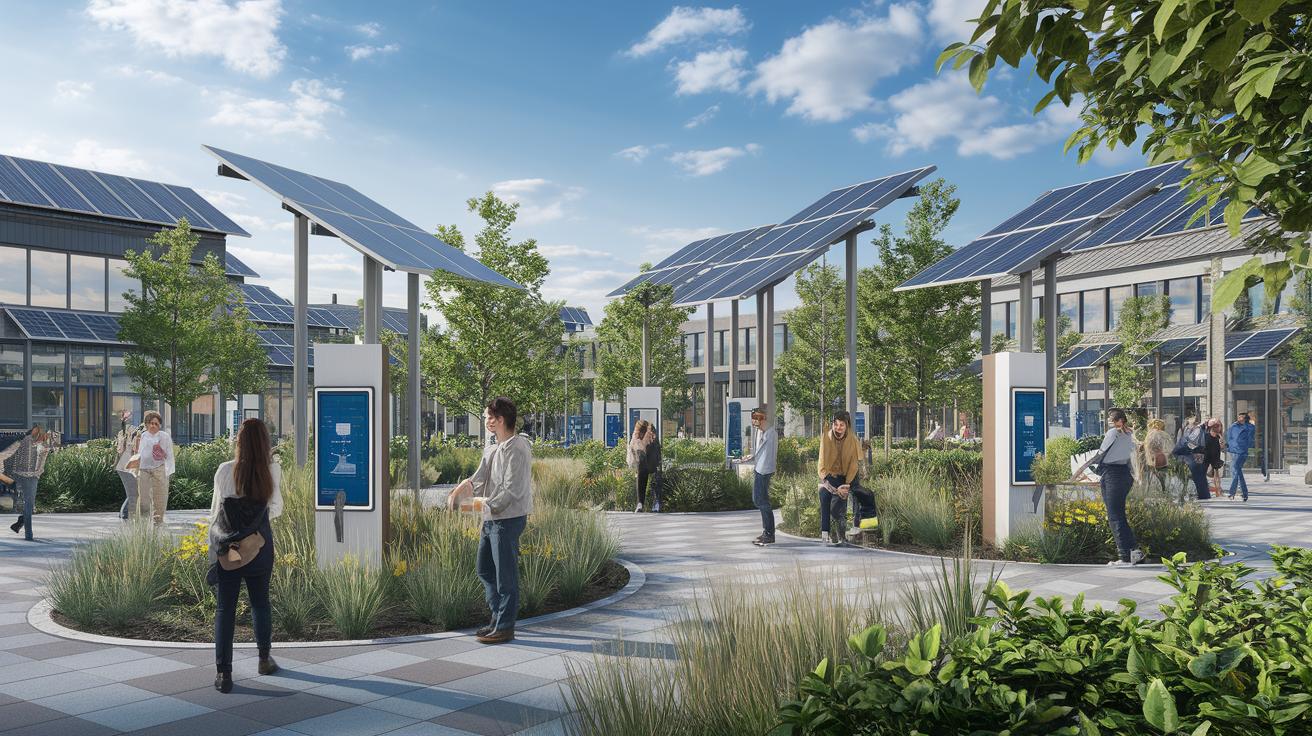
The Zeitgeist Movement offers a brave take on how we run our economy. Instead of using money, it encourages us to take care of our natural resources smartly. Think of a place where clean energy lights up homes and community gardens bloom, powered by technology that makes every resource count. Picture a center where digital tools help match what you need with what is available, turning limited supplies into plenty.
This vision calls for a big change in how we live. We need to move away from wasteful habits and embrace eco-friendly ways of living. Imagine a public square fitted with solar chargers and water-saving features. The idea is simple: use green tech to share resources and cut waste, whether in the heart of a bustling city or a quiet town. The movement invites us all to build a fair and tech-smart future that supports both people and the planet.
Documentary Impact: “Zeitgeist the Movie” and “Zeitgeist: Addendum”
Before these films hit screens, most folks never stopped to really wonder how society worked. But once they premiered, people all over began meeting up, chatting about public policy in cozy New York cafés and hosting local forums to rethink power in small towns.
The films reached tens of millions and sparked real-world events that went beyond online talk. In Denver, for instance, one community started monthly screenings that quickly turned into lively public debates. It’s a clear sign that the films' bold style struck a chord, inspiring fresh, unexpected conversations everywhere.
Organization, Digital Activism and Global Network of the Zeitgeist Movement

The Zeitgeist Movement links local groups with online spaces, creating a lively and open network. Activists meet both face-to-face and on digital platforms where they share ideas and start new actions quickly. Messages like "Join our live chat tonight for fresh policy insights" show how simple digital tools spark real community events.
Members often share their personal stories and quick updates. One member might say, "Our local meetup led to a new idea for community recycling," proving how everyday conversations fuel lasting change. Conversations on discussion boards and engaging media let people learn from each other and work together across borders.
This movement brings together people with various views and backgrounds. Digital channels, like forums and messaging apps, keep discussions active and easy to join. Insights from online activism help members pick up fresh strategies, while local gatherings, webinars, and public debates turn those ideas into real-world action.
| Key Aspect | Details |
|---|---|
| Unity in Diversity | Activists from different cultures join forces. |
| Accessible Conversations | Easy-to-use forums and messaging keep talks ongoing. |
| Fast Learning | How-to guides and visuals offer quick strategy tips. |
| Global Impact | Local ideas inspire worldwide discussions and policy actions. |
By mixing digital platforms with local action, the movement turns simple online exchanges into powerful steps for change. This approach shows how technology and human connection can join forces to inspire hope and real progress.
Critiques and Internal Debates Within the Zeitgeist Movement
Online forums and community chats reveal a mix of opinions instead of one clear path. Some people say that leaning on technology seems to ignore the hard work of making political changes. One forum post put it simply: "Imagine a toolbox filled only with digital gadgets when what we really need are real-world plans." This comment shows how members feel pulled between real political change and high-tech quick fixes.
Many ask if a post-scarcity economy can really work. They wonder how a system based on math and data can solve the everyday problems people face. They also worry that moving away from traditional politics might leave gaps in our system of checks and balances. In their view, relying on technical answers might miss the deep social and cultural issues at play.
Some also question the movement’s broad goals. They feel that aiming to challenge old beliefs and rewrite economic rules at the same time leads to mixed and sometimes clashing ideas. Different members often push their own blueprints, much like pieces of a puzzle that don’t quite match.
In the end, critics call for a balanced approach that mixes practical fixes with real political reform. This debate continues to shape strategies and keeps the conversation vibrant among the movement's supporters.
Influence and Cultural Impact of the Zeitgeist Movement

The Zeitgeist Movement has changed how we talk about social reform. Studies show its ideas spark new debates among local groups and cultural experts. Documentaries inspired by its themes challenge old power structures and make us think about fresh ways to organize society. Filmmakers and online activists mix art with research-based activism to reflect today's social trends.
News outlets say that the movement’s push for green ideas and smart social policies is changing how reform is covered. Digital activist projects now thrive on platforms that celebrate honest community chats and creative problem-solving. Many local case studies credit the movement for waking up public awareness. In cities everywhere, events and discussions echo its call for a science-led, resourceful future.
Community centers, art exhibits, and public talks often display projects born from the movement’s influence. These initiatives inspire everyday people to explore new economic models and adopt eco-friendly habits. As a result, traditional media is featuring more stories about citizen-led sustainability and tech-driven progress. This dynamic influence shifts our cultural norms and reshapes how we debate change, opening up opportunities for new conversations and creative social innovation.
Future Trajectory and Evolution of the Zeitgeist Movement
Over the next few years, the guide hints at bold moves and big changes. Young activists are sparking digital chats, sharing thoughts online, and reshaping local reforms. Picture this: a tiny spark can light up fireworks, and one fresh idea can jumpstart a wave of change.
As we step into new ways of living, members are blending smart tech with community action. Think of it like updating an old recipe with new spices, the base stays the same, but the flavor transforms. Many believe this mix will spark lasting reforms that champion resource sharing and lively digital debates.
Soon, community reforms may open their doors even wider, connecting voices from all over. Creative thinkers are testing fresh ideas about the economy, and the movement keeps evolving. This change leaves supporters hopeful and excited about a future built on shared ideas and real action. New ideas will keep driving growth and reinventing our society.
Final Words
In the action, we traced the origins and evolution of the zeitgeist movement. We saw how core ideas, films, and digital networks brought its vision to life. It made clear how this pop-culture phenomenon uses practical sustainability ideas and creative activism to spark discussions about fitting future models. Every section highlighted how this community challenges old systems with fresh approaches. The zeitgeist movement remains a lively force, inspiring many to rethink social change and embrace a brighter tomorrow.
FAQ
Q: What is the Zeitgeist Movement?
A: The Zeitgeist Movement is a global, grassroots organization that promotes sustainable social change by blending digital activism with a scientific approach to our economic structures, aiming to shift society from scarcity to abundance.
Q: What does the Zeitgeist documentary explain?
A: The Zeitgeist documentaries explain critiques of current institutions and explore alternative economic models, sparking debate about corruption, environmental issues, and the need for transformative societal frameworks.
Q: What is the zeitgeist meaning and what is zeitgeist about?
A: The zeitgeist meaning captures the current collective spirit of society by reflecting cultural moods, emerging trends, and the rising ideas that shape our discussions about social and technological change.
Q: What does the Zeitgeist Movement defined PDF include?
A: The defined PDF details the movement’s core philosophy, historical origins, and plans for a sustainable future, anchoring its vision with over 800 sources to guide its reformative ideas.
Q: What does Wikipedia say about the Zeitgeist Movement?
A: Wikipedia describes the Zeitgeist Movement as a global, not-for-profit initiative that grew from influential documentaries and now challenges traditional systems with a focus on sustainability and resource-based economics.
Q: What is Zeitgeist Requiem about?
A: Zeitgeist Requiem offers a critical look at established practices, calling for a rethinking of our social systems with theoretical insights into a resource-based economy that could drive future change.
Q: What is the zeitgeist of today?
A: The zeitgeist of today signals a shift toward sustainability debates and systemic reform, reflecting society’s growing interest in questioning established political and economic models amid rapid technological change.
Q: What is the Zeitgeist film series about?
A: The Zeitgeist film series examines global power structures, environmental challenges, and media manipulation, urging viewers to rethink societal norms and consider innovative models for a more equitable future.
Q: What is the ideology of the Zeitgeist Movement?
A: The ideology of the Zeitgeist Movement centers on a resource-based, scientific approach to economics that challenges traditional beliefs and promotes a sustainable, abundance-focused framework over scarcity-driven systems.
Q: Is the Zeitgeist documentary true?
A: The Zeitgeist documentary presents its ideas with plenty of research and multiple sources, offering thought-provoking perspectives that invite viewers to explore varied viewpoints rather than providing definitive answers.